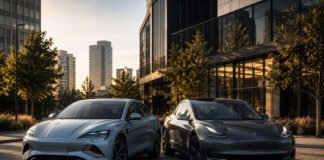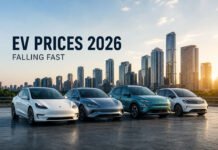
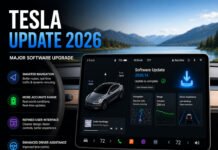
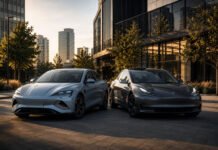





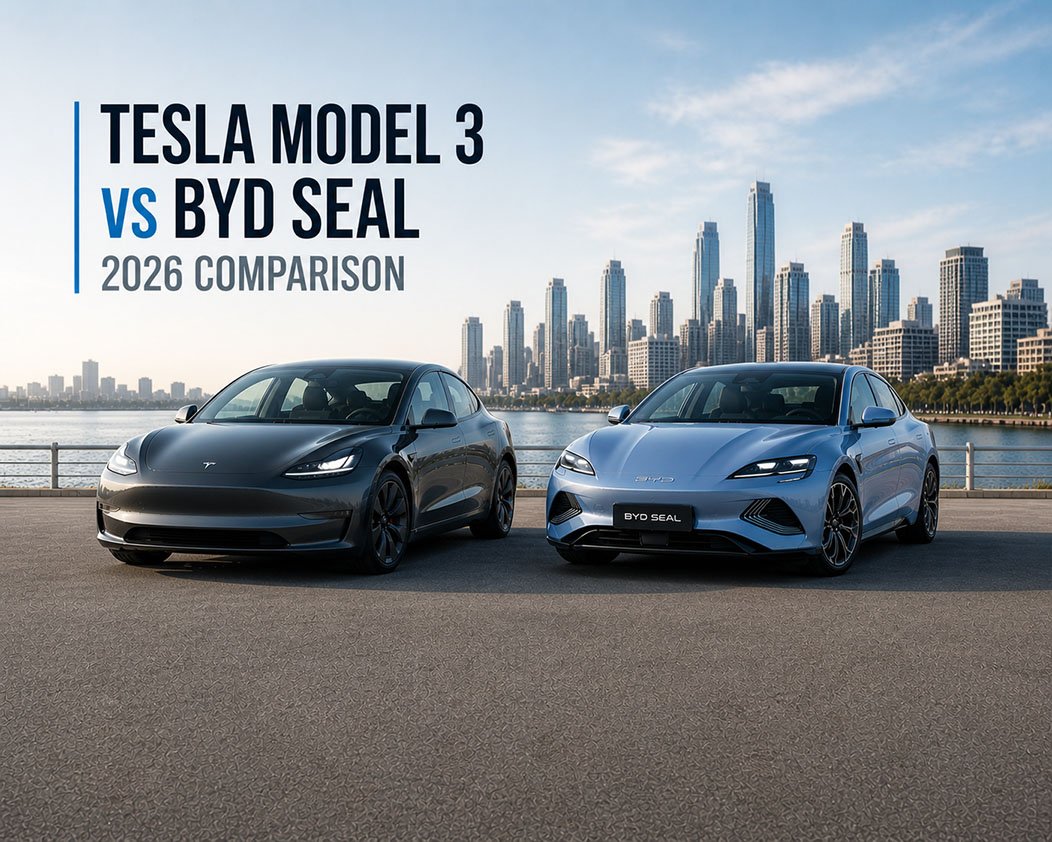
For many EV buyers, the choice is no longer between an electric car and a gasoline car. It is between two very different approaches to EV ownership.
The Tesla Model 3 and BYD Seal sit at the centre of that debate. Both offer competitive range, modern technology, fast charging capability, and pricing that places them within reach of mainstream buyers. Yet the ownership experience they deliver can feel surprisingly different.
Tesla has spent years building an ecosystem around software, charging convenience, and over-the-air improvements. The Model 3 reflects that philosophy. It is designed to simplify ownership through integration, efficiency, and a highly connected user experience.
The BYD Seal approaches the market from a different angle. It places greater emphasis on comfort, interior quality, equipment levels, and value for money. Rather than asking buyers to adapt to a new way of interacting with a car, it often feels more familiar from the first drive.
The result is a comparison that goes beyond specifications. Buyers are not simply choosing between two electric sedans. They are choosing between two ownership philosophies.
This Tesla Model 3 vs BYD Seal comparison focuses on the areas that matter most after the excitement of the test drive fades: daily usability, charging convenience, efficiency, long-term ownership confidence, resale value, and overall value for money.
Overview: Tesla Model 3 vs BYD Seal
The BYD Seal vs Tesla Model 3 matchup matters because it represents a shift in the EV market. Tesla is no longer alone. BYD is not a niche player anymore. This Tesla Model 3 vs BYD Seal comparison focuses on real-world driving, comfort, and long-term usability.
Both offer strong range, modern tech, and competitive pricing. But the ownership experience is very different.
If you want a simple, software-first EV → Tesla.
If you want a more traditional, comfort-focused car → BYD.
We’ll break that down properly.
Design and Interior
Interior comparison between Tesla Model 3 and BYD Seal, highlighting different design philosophies.
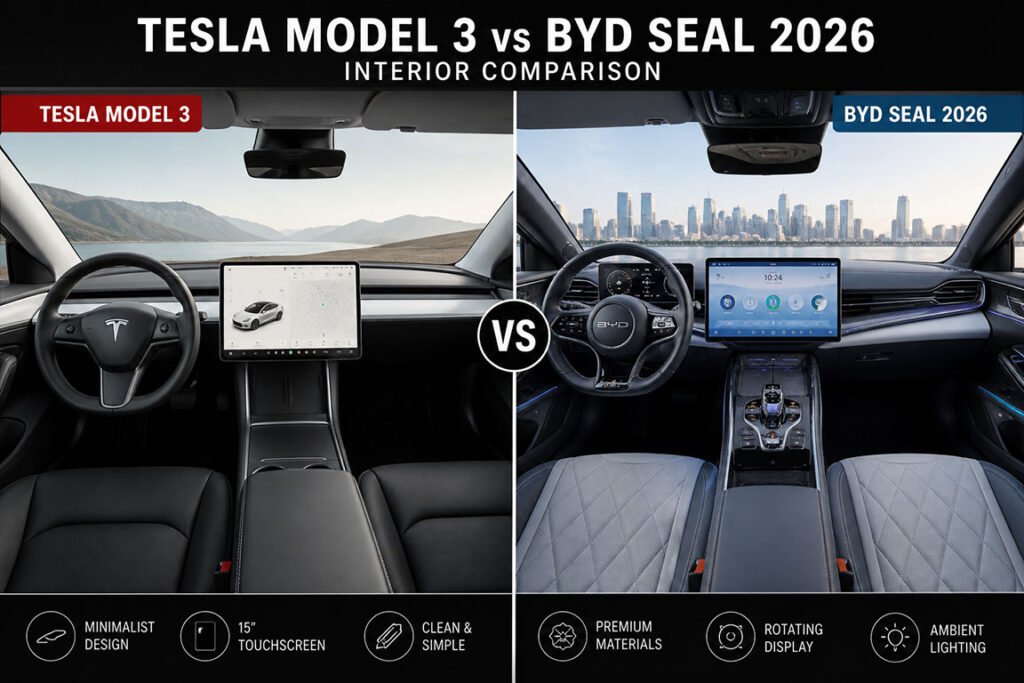
The interior is where the Tesla Model 3 and BYD Seal reveal their priorities most clearly, and where many buyers will decide which car fits their daily life better.
Tesla’s cabin follows the company’s long-standing philosophy of radical simplicity. Physical controls are kept to a minimum, and almost every function is accessed through the central touchscreen. The result is a clean, spacious environment that feels modern even several years after launch. The updated Model 3 interior introduced improved materials, better sound insulation, and a more refined overall atmosphere than earlier versions.
The minimalist approach has advantages. Visibility is excellent, the cabin feels open, and there is very little visual clutter. However, not every buyer appreciates relying on the touchscreen for tasks that traditional vehicles handle with physical buttons. Adjusting mirrors, opening certain settings, or navigating menus can require a short learning period for drivers new to Tesla ownership.
The BYD Seal takes a more conventional approach. It still feels modern and technology-focused, but it combines digital features with a layout that many drivers find more familiar. Physical controls remain available for several commonly used functions, and the overall cabin design feels warmer and more traditional than Tesla’s intentionally minimalist environment.
Material quality is one of the BYD Seal’s strongest arguments. Soft-touch surfaces, detailed trim elements, and a generally premium presentation allow the cabin to feel more expensive than its price point might suggest. While Tesla has improved noticeably in this area, many buyers stepping directly between the two cars still perceive the Seal as the more luxurious environment.
Front-seat comfort is good in both vehicles, though they approach it differently. The Model 3’s seating position feels low and sporty, reinforcing the car’s more driver-focused character. The Seal prioritises comfort and isolation, creating a relaxed atmosphere that suits commuting and longer journeys.
Rear passenger space is competitive in both cars, though Tesla’s longer wheelbase gives it a slight advantage for adult passengers on longer journeys. The Seal remains comfortable in the rear, but buyers who regularly carry adults or growing teenagers may appreciate the extra space available in the Model 3.
Boot space and practicality also reflect the cars’ different philosophies. The Model 3 offers a larger cargo area and benefits from an additional front trunk, giving it more storage flexibility for family use, airport runs, and road trips. The Seal remains practical for everyday ownership, but Tesla’s packaging efficiency creates a noticeable advantage when carrying larger loads.
Ultimately, this section reflects the broader character of each car. The Tesla Model 3 feels like a technology product designed around efficiency and simplicity. The BYD Seal feels more like a traditional premium sedan that happens to be electric. Neither approach is objectively better, but they create noticeably different ownership experiences long after the novelty of a new EV has faded.
Choose the Model 3 if you prefer minimalism, efficiency, and a software-first experience. Choose the Seal if interior atmosphere, material quality, and traditional comfort matter more to your daily driving experience. For families and buyers planning longer ownership periods, the Model 3 generally makes the stronger practical case. For drivers who place greater value on cabin atmosphere and traditional premium-car qualities, the Seal remains highly appealing.
Performance and Driving Experience
According to global EV market data from IEA, competition between EV manufacturers has intensified significantly in recent years. Both the Tesla Model 3 and BYD Seal deliver strong performance by mainstream EV standards, but they approach everyday driving from different directions.
The Tesla Model 3 feels more responsive from behind the wheel. Steering inputs are quicker, acceleration feels more immediate, and the car generally reacts faster to driver commands. Around town, the Model 3 often feels lighter and more agile than its size suggests. Drivers who enjoy a more connected driving experience will likely prefer Tesla’s sharper character.
The BYD Seal focuses less on responsiveness and more on comfort. Steering is lighter, suspension tuning is softer, and the overall driving experience feels calmer during daily commuting. In heavy traffic and mixed urban driving, the Seal’s relaxed nature can make long periods behind the wheel feel less demanding.
Ride quality is one of the BYD Seal’s strongest attributes. The suspension absorbs broken pavement and urban imperfections with impressive composure, giving the car a more premium feel than many buyers expect at its price point. Tesla has improved the Model 3 significantly with recent suspension revisions, but it still communicates more of the road surface through the cabin.
At motorway speeds, both vehicles feel stable and confidence-inspiring. The Model 3 tends to feel slightly more composed during rapid lane changes and benefits from excellent aerodynamic efficiency, while the Seal counters with strong cabin isolation and a quieter atmosphere on long-distance journeys.
Regenerative braking performance is effective in both vehicles. Tesla’s one-pedal driving system remains among the most refined in the industry and quickly becomes intuitive for new owners. BYD’s system continues to improve and works well in everyday use, although many drivers still consider Tesla’s implementation more natural and easier to modulate smoothly.
Neither car is objectively better. The decision depends largely on what you expect from daily driving. Buyers who value steering precision, responsiveness, and a more engaging driving experience will likely prefer the Tesla Model 3. Those who prioritize comfort, refinement, and relaxed commuting may find the BYD Seal more appealing over the long term.
Range and Efficiency (Real-World)
Official numbers don’t tell the full story. Real-world range can vary significantly depending on driving speed, weather, and driving style.
Tesla is still slightly ahead in efficiency. That means better real-world range consistency, especially on highways.
According to independent real-world data from EV Database, Tesla models tend to deliver more consistent efficiency under mixed driving conditions.
BYD offers competitive range on paper, but real-world performance depends more on conditions.
Here’s a simple breakdown:
Tesla Model 3 vs BYD Seal 2026 Specs Comparison
| Model | Battery | Range (WLTP) | Efficiency |
|---|---|---|---|
| Tesla Model 3 | 60–82 kWh | 491–629 km | High |
| BYD Seal | 61–82 kWh | 460–570 km | Medium–High |
👉 Short version: Tesla still has the edge in efficiency.
Independent EV data from EV Database also supports these efficiency differences.
Ownership Costs and Long-Term Value
While purchase price attracts attention, ownership cost often determines long-term satisfaction.
The BYD Seal usually enters the market with a lower purchase price and a stronger equipment list for the money. Depending on incentives and regional pricing, the gap can be significant.
However, ownership cost extends beyond the showroom. Electricity consumption, tire wear, insurance, maintenance requirements, software support, and future resale value all influence the total cost equation.
Tesla’s efficiency advantage can reduce charging costs over time, particularly for drivers covering high annual mileage. Tesla also benefits from a mature charging ecosystem that can reduce inconvenience during ownership.
BYD counters with competitive warranty coverage and strong value at purchase, making it attractive for buyers focused on minimizing upfront spending.
For a deeper analysis of long-term ownership expenses, see our Tesla vs BYD Ownership Cost comparison.
Resale Value and Ownership Confidence
Resale value is one of the least visible ownership costs, yet it can have a major impact on the total cost of ownership.
Tesla currently benefits from broader used-market familiarity in many regions. Buyers understand the brand, know what to expect from the ownership experience, and often feel more comfortable purchasing a used Tesla than a used EV from a newer competitor.
BYD is improving rapidly. Dealer networks continue expanding, battery technology is becoming more widely understood, and brand awareness has increased substantially over the past few years. Nevertheless, resale performance remains more market-dependent than Tesla’s in many regions.
For buyers planning to replace their vehicle within three to five years, resale confidence can influence the overall value proposition as much as charging costs or efficiency.
Our detailed Tesla vs BYD Resale Value guide explores these differences in greater depth.
Charging Experience
Charging is one of the biggest factors separating these two ownership experiences.
On paper, both the Tesla Model 3 and BYD Seal offer competitive charging specifications. In daily ownership, however, charging convenience depends on far more than peak charging speed. Network availability, route planning, payment simplicity, and charger reliability often matter more than the headline figures buyers see on a specification sheet.
Tesla’s biggest advantage remains its charging ecosystem. In markets where the Supercharger network is widely available, the experience is remarkably simple. The car automatically plans charging stops, preconditions the battery before arrival, and handles payment seamlessly through the Tesla account. For owners who regularly travel long distances, this reduces the amount of planning required and makes road trips feel more predictable.
The BYD Seal relies primarily on third-party charging networks. Fast charging performance is competitive, but the ownership experience can vary considerably depending on where you live. Charger reliability, payment systems, and network coverage differ between providers and regions. Some owners will experience no inconvenience at all, while others may need multiple charging apps and more route planning for longer journeys.
For home charging, the difference becomes much smaller. Both vehicles are easy to live with when charged overnight at home or through workplace charging. Most daily commuters will rarely notice a meaningful difference between the two cars during normal weekday use.
Long-distance travel is where Tesla continues to hold a practical advantage. The integration between vehicle software, navigation, and charging infrastructure creates a smoother ownership experience, particularly for drivers who frequently cover hundreds of miles in a single day. The BYD Seal remains entirely capable of long journeys, but it generally requires more awareness of local charging infrastructure and slightly more planning from the driver.
This distinction becomes less important if your driving consists primarily of commuting, shopping, school runs, and occasional weekend trips. For many owners, charging convenience will depend more on local infrastructure than on the vehicle itself.
Technology and Features
Technology is one of the clearest philosophical differences between the Tesla Model 3 and BYD Seal.
Tesla approaches technology as the centre of the ownership experience. Nearly every major vehicle function is integrated into the central touchscreen, and the software platform remains one of the most refined systems available in any EV. Navigation, charging, media, climate controls, vehicle settings, and route planning operate within a single ecosystem that feels cohesive and mature.
One of Tesla’s strongest advantages remains its over-the-air software updates. New features, interface improvements, efficiency optimisations, and bug fixes can arrive years after purchase without visiting a service centre. This approach has helped Tesla maintain a reputation for keeping vehicles feeling current long after delivery.
Tesla’s mobile app is also among the best in the industry. Owners can remotely control charging, climate settings, vehicle access, location tracking, and software updates through a single well-developed platform. These features quickly become part of everyday ownership rather than occasional conveniences.
The BYD Seal takes a different approach. Rather than building a completely self-contained ecosystem, BYD focuses on combining modern technology with greater familiarity. The rotating touchscreen remains one of the Seal’s most distinctive features, and many drivers appreciate the more traditional cabin layout compared with Tesla’s minimalist philosophy.
Unlike Tesla, the Seal supports both Apple CarPlay and Android Auto in most markets. For buyers already invested in those ecosystems, this can be a meaningful advantage. Many drivers prefer using familiar navigation, messaging, and media applications rather than adapting to a manufacturer-specific software environment.
BYD’s software has improved significantly in recent years, but it still feels less polished than Tesla’s system in some areas. Menu structures, responsiveness, route planning integration, and software consistency can vary by market and vehicle version. The experience is generally good, but Tesla remains the benchmark for EV software refinement.
Driver assistance systems are competitive in both vehicles. Tesla’s Autopilot remains one of the most widely recognised systems in the segment, though it still requires active driver supervision. BYD offers an increasingly capable suite of safety and driver-assistance technologies that perform well in daily driving, even if they generate less attention than Tesla’s software ecosystem.
Ultimately, the choice comes down to preference. Tesla delivers the more integrated and software-focused ownership experience. BYD provides a blend of modern technology and traditional usability that many drivers find easier to adapt to immediately.
Tesla’s software ecosystem and over-the-air update strategy have been widely cited as key competitive advantages in EV ownership, with industry analysis from Bloomberg highlighting Tesla’s ability to continuously improve vehicles after purchase.
Price and Value for Money
This is where things get interesting.
BYD Seal usually comes in cheaper for similar specs. That alone makes it attractive.
Tesla Model 3 is priced higher, but you get:
- better efficiency
- better charging ecosystem
- stronger software
If upfront price is your top priority, BYD Seal is the better deal.
If long-term ecosystem matters → Tesla wins.
For more budget options, check 👉 affordable EV options.
Potential Weaknesses Buyers Should Know
Tesla
- touchscreen dependency
- firm ride
- service criticism
- direct price-cut history
BYD
- software maturity
- resale uncertainty
- charging network dependence
- regional dealer differences
Real-World Driving Comparison
Specifications and ownership data are useful, but they cannot fully capture how a car feels on the road. The comparison below provides a helpful real-world perspective on ride quality, driving character, cabin comfort, and everyday usability from extended testing.
Real-world comparison video exploring driving experience, comfort, performance, and everyday ownership differences between the Tesla Model 3 and BYD Seal.
The video reinforces many of the ownership themes discussed throughout this comparison. Tesla continues to stand out through software integration, charging convenience, and efficiency, while the BYD Seal makes a strong case through comfort, cabin quality, and value for money. As always, the better choice depends less on specifications and more on which ownership experience better matches your daily routine.
Which One Should You Buy?
Let’s make it simple.
👉 Buy Tesla Model 3 if you want:
- the best software experience
- easy charging
- higher efficiency
- a more “future-proof” ecosystem
👉 Buy BYD Seal if you want:
- better upfront value
- more comfort
- a familiar driving experience
- more features for the price
No fence-sitting here.
If you want the safest all-around choice → Tesla Model 3
If you want the best value for money → BYD Seal
Also see 👉 Best EVs 2026 for broader options.
Tesla Model 3 vs BYD Seal: Ownership Comparison Summary
After comparing range, charging, software, comfort, ownership costs, and resale confidence, the differences become easier to summarize. The table below highlights where each EV holds its strongest advantages in real-world ownership.
| Category | Winner | Reason |
|---|---|---|
| Software Experience | Tesla Model 3 | More mature software ecosystem and OTA updates. |
| Charging Convenience | Tesla Model 3 | Supercharger integration and route planning remain industry-leading. |
| Interior Quality | BYD Seal | More premium materials and richer cabin atmosphere. |
| Comfort | BYD Seal | More relaxed ride quality and traditional luxury feel. |
| Efficiency | Tesla Model 3 | Typically achieves better real-world efficiency. |
| Road Trips | Tesla Model 3 | Charging network integration creates a smoother experience. |
| Value for Money | BYD Seal | Often offers more equipment for the purchase price. |
| Resale Confidence | Tesla Model 3 | Stronger used-market history and buyer familiarity. |
| Overall Ownership Winner | Tesla Model 3 | More complete ecosystem and long-term ownership experience. |
The results reveal a clear pattern. The Model 3 tends to win in areas related to ecosystem strength, charging convenience, efficiency, and long-term ownership confidence. The Seal responds with stronger value for money, a more premium-feeling cabin, and a more traditional ownership experience that many buyers may find immediately familiar.
Final Verdict
The Tesla Model 3 and BYD Seal are among the strongest electric sedans available in 2026, but they succeed for different reasons.
The Model 3 remains the more complete ownership package. Its charging ecosystem, software experience, efficiency, resale confidence, and long-term ownership advantages create an experience that feels highly refined after several years on the road.
The BYD Seal makes its case through value, comfort, equipment, and interior quality. It offers a compelling ownership experience without requiring buyers to pay a premium for the Tesla badge. For many buyers, particularly those focused on comfort and value for money, the Seal is no longer an alternative. It is a genuine competitor.
If your priority is the most complete ownership ecosystem, choose the Tesla Model 3.
If your priority is maximizing value without sacrificing everyday usability, the BYD Seal deserves serious consideration.
The right choice ultimately depends less on specifications and more on how you expect to live with the car over the next several years. For most buyers, the Tesla Model 3 remains the stronger all-around ownership recommendation. The BYD Seal, however, offers one of the most compelling value propositions in the EV market and deserves serious consideration from buyers who prioritize comfort, interior quality, and equipment over ecosystem advantages.