
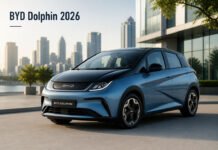
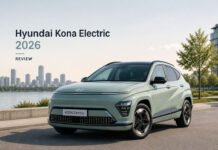


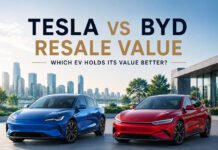







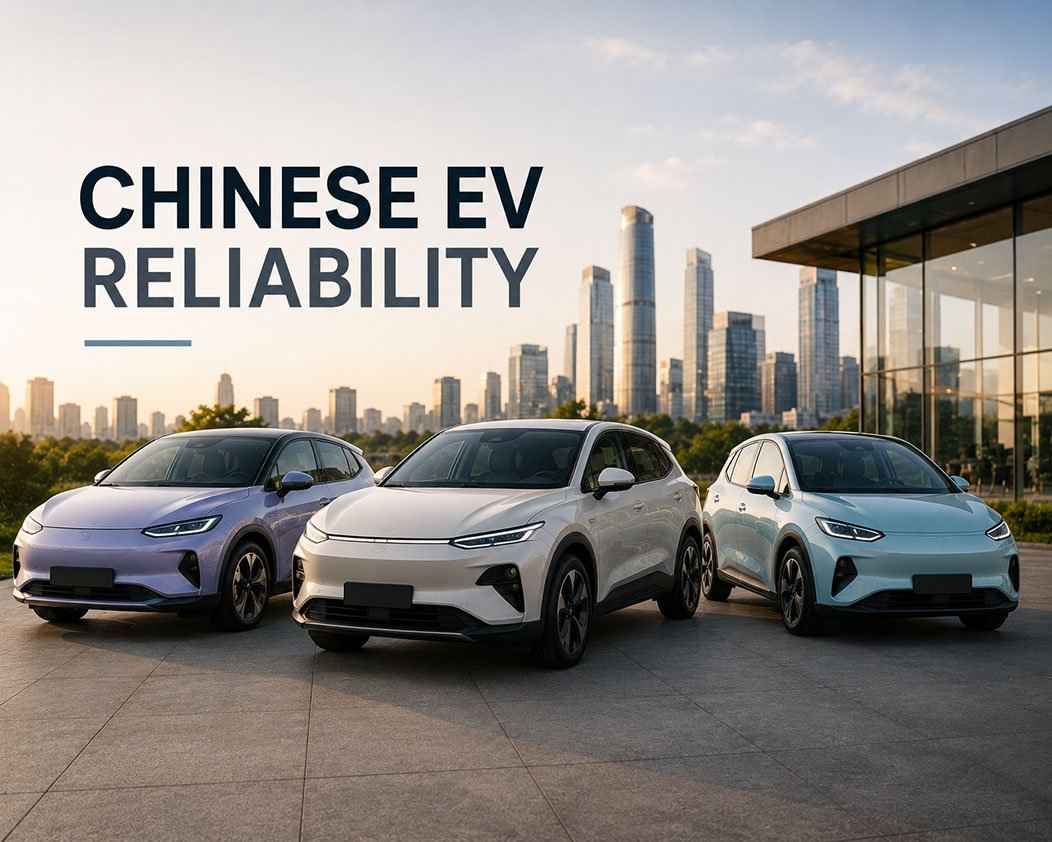
Yes, some Chinese EVs can be reliable long term, but the answer depends far more on brand maturity and local ownership support than on price alone. But that is not a category-wide promise, and it is not something you should decide from price alone.
Brands such as BYD, MG, Geely, Nio, Xpeng, Zeekr, GWM Ora, and Leapmotor are no longer fringe names in the way Chinese EV makers were often treated a few years ago. China is the world’s largest EV market, and the IEA says electric cars are expected to account for around 60% of car sales there in 2025. That scale matters because it means real production volume, real battery experience, and real competition, not just export-market hype.
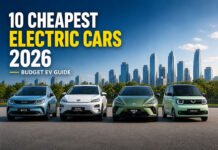
But not every affordable Chinese EV carries the same long-term risk profile. Some are strong value. Some still come with more uncertainty, especially in markets where dealer support, parts supply, warranty clarity, and software maturity are still catching up. The cheapest EV is not always the riskiest one. But if a car undercuts familiar rivals by a large margin, buyers should look past the sticker price and examine the things that decide whether ownership stays easy after the first year.
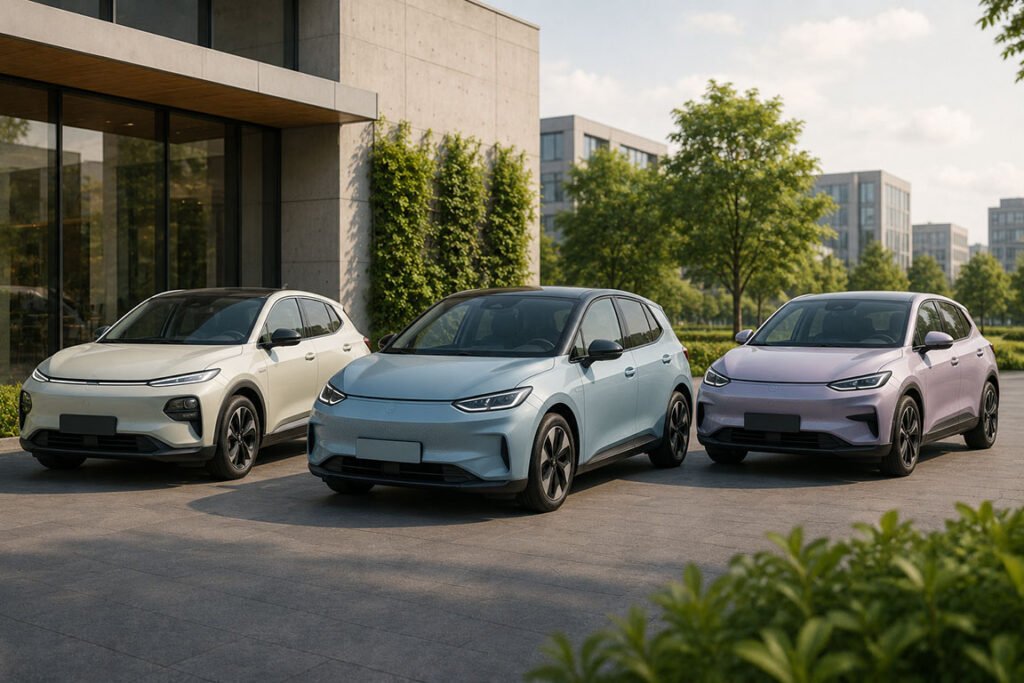
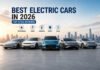
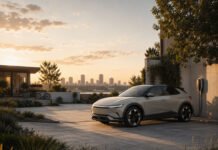
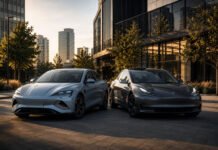
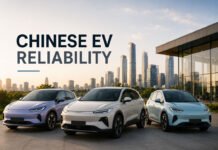
Editorial illustration used to discuss how price, support, and long-term ownership can matter more than badge familiarity.
Are Chinese EVs Reliable?
Some Chinese EVs can be reliable long term, but “Chinese EVs” is too broad a label to be useful on its own.
An established brand such as BYD or MG should not be judged in the same way as a lightly imported, little-known badge with patchy local support. China’s EV industry now operates at a scale large enough that many manufacturers have real battery experience, platform maturity, and production depth. The IEA’s latest outlook shows China remains the world’s largest EV market and a dominant force in both EV sales and exports.
The more practical problem is that long-term reliability data is still uneven outside China, especially in newer export markets. A car that looks convincing on paper can still become a frustrating ownership proposition if dealer support is thin, parts are slow to arrive, software updates are inconsistent, or charging compatibility is awkward in your local market. So the better question is not whether Chinese EVs are reliable as a country-of-origin category. It is whether the specific car is backed well enough where you live.
The short answer is yes, some Chinese EVs can be highly reliable. The more useful question is whether the specific brand has proven local support, stable software updates, accessible parts, and enough market presence to remain easy to own five years from now. Reliability is increasingly becoming an ownership question rather than a manufacturing question.
Cheap Does Not Always Mean Low Quality
Cheap does not automatically mean badly made.
Some Chinese EVs are cheaper because the underlying business structure is stronger than many buyers assume. Large domestic scale, battery supply-chain strength, platform sharing, and aggressive pricing strategy can all lower costs. BYD is the clearest example of vertical integration as part of that story: batteries, manufacturing scale, and broad model coverage all help explain pricing power. BYD’s official warranty materials also underline how central the battery is to its ownership pitch, which tells you a lot about where the company thinks its strengths are.
That said, lower price can still reflect trade-offs. Materials may be less polished. Dealer coverage may be thinner. Brand confidence may be weaker. Resale value may be less predictable. A car can be cheap because the company is efficient, and also cheap because the market is not yet convinced it will hold value or be easy to support in five years. Price alone proves very little. It just tells you where to start asking questions.
Low price is not automatically a warning sign, but it should make buyers inspect warranty, support, parts access, and resale more carefully than they might with a familiar brand.
BYD, MG and the Difference Between Established and Newer Brands
Chinese EV brands are not all in the same place.
BYD is one of the strongest examples of a Chinese EV brand that deserves to be treated seriously in long-term ownership conversations. It has battery expertise, major manufacturing scale, and a broad model range. In markets where BYD already has a real dealer and service presence, it looks very different from a newly arrived brand still building its support structure. BYD UK’s official warranty page outlines multi-year vehicle, drive unit, and battery coverage, though exact terms still depend on model and region. Recent BYD Europe communications also say the Blade Battery warranty has been expanded in Europe to eight years and 250,000 km with a 70% state-of-health threshold, which is useful context but should still be checked against the buyer’s local warranty page before publication.
MG, owned by SAIC, sits in a different but still important place. It has become a familiar EV badge in several export markets and benefits from stronger public recognition than many newer entrants. MG UK publishes formal warranty coverage, and MG’s European owners’ site also highlights manufacturer warranty support, which is one of the clearest signs that a brand is trying to build long-term confidence rather than simply chase cheap volume. Exact battery terms still need market-specific verification.
Then there are brands such as Geely-linked marques, Nio, Xpeng, Zeekr, GWM Ora, and Leapmotor. Depending on the market, some may have strong products but weaker dealer depth, less mature aftersales support, or less proven resale behavior. A strong brand in China can still be a new and uncertain ownership proposition in another country.
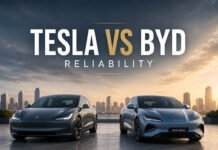
For buyers comparing China’s strongest EV brands against more familiar names, our guide to Tesla vs BYD reliability explains why ownership trust is about more than acceleration, range, or price.
The Real Reliability Questions Buyers Should Ask
This is where broad brand talk turns into a real ownership decision.
Before buying any affordable Chinese EV, ask:
- How long has the model been on sale?
- Is the brand properly established in your country?
- Is there a real dealer or service network?
- Are replacement parts readily available?
- What does the battery warranty actually cover?
- Are software updates delivered reliably?
- Is the infotainment stable and usable in your language and market?
- Are recalls and service campaigns handled clearly?
- What do owners say after two to five years?
- Does the model use proven battery chemistry?
- Is resale value stable enough to make long-term ownership make sense?
- Does the car work well with the charging standards and public infrastructure in your market?
A Chinese EV that scores well on those questions can be a sound long-term buy. One that scores poorly can become an ownership headache even if the sticker price looked brilliant on day one.
Chinese EV Reliability Checklist
| Question | Why It Matters |
|---|---|
| Brand presence in your market | A strong home-market brand can still feel risky if local support is thin. |
| Dealer/service support | Reliability is easier to live with when problems can be diagnosed and fixed quickly. |
| Battery warranty | Coverage terms help reduce long-term ownership risk, but exact limits vary by market. |
| Parts availability | Minor issues become major headaches when parts are slow or hard to source. |
| Software updates | Modern EV ownership depends heavily on stable software and dependable updates. |
| Owner feedback | Two- to five-year owner experience often reveals weaknesses launch reviews miss. |
| Resale value | Weak resale can turn cheap purchase price into expensive long-term ownership. |
| Charging compatibility | Good public-charging support matters more if you rely on local infrastructure. |
What Matters More Than the Country of Origin?
Many buyers still focus too heavily on where a vehicle is built. In reality, long-term ownership is influenced far more by service support, parts availability, warranty execution, software quality, and resale confidence.
A well-supported Chinese EV can be easier to own than a poorly supported vehicle from a more familiar brand. The strongest ownership experiences usually come from brands with mature dealer networks, proven products, and a clear commitment to the market where the vehicle is sold.
For most buyers, the question should not be whether an EV comes from China. The more useful question is whether the brand has built an ownership ecosystem capable of supporting the vehicle throughout its life.
Battery Quality May Be the Strongest Argument for Some Chinese EVs
If some Chinese EV brands make a serious long-term reliability case, battery quality is often the strongest place to start.
BYD’s LFP-focused battery strategy and Blade Battery reputation are a good example. LFP chemistry is generally known for durability, lower cost, and strong cycle life, though it is not magic and it does not automatically make every car around it reliable.
DOE guidance notes that EV battery life is shaped by chemistry, design, charging patterns, and the thermal relationship between the battery, vehicle, and environment. That is the right way to think about Chinese EV batteries too. A good chemistry choice helps, but battery thermal management, software, pack design, efficiency, charging behavior, and warranty terms still matter.
That is also why Recurrent is most useful here as context for how EV batteries age in real-world use, not as a shortcut to declaring one brand universally better than another.
That is why battery chemistry should be treated as one part of the picture rather than the whole answer. A strong battery pack can help a brand make a convincing reliability case, but it does not guarantee stable software, good service support, or strong resale. If you want the broader context, see our guide to how long EV batteries really last and our related piece on EV battery degradation.
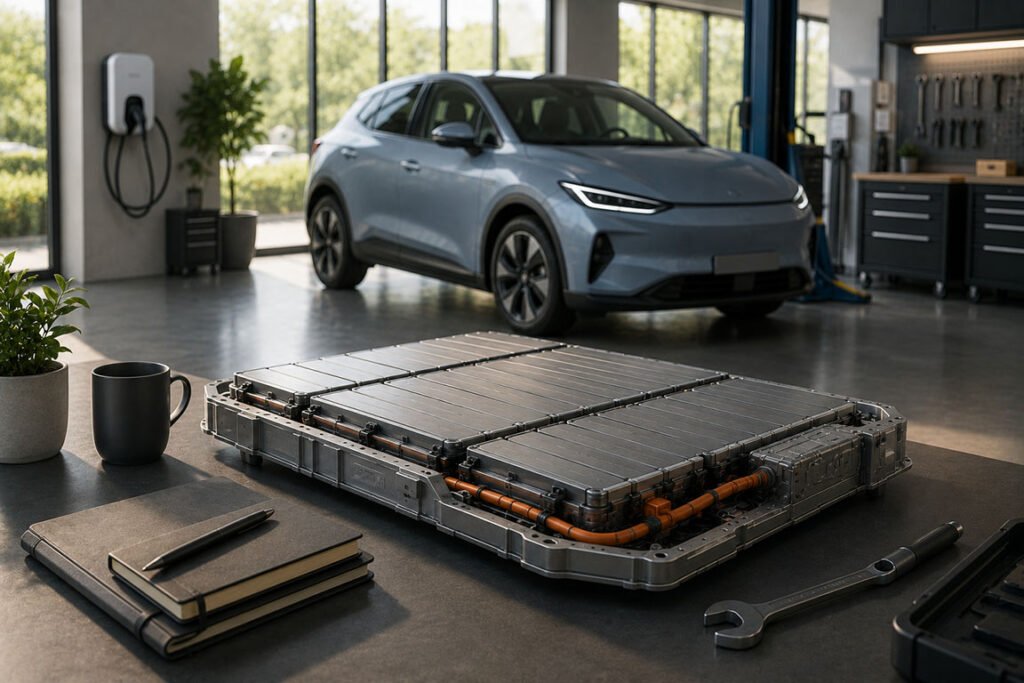
Concept image showing how battery quality, software and service support affect EV reliability.
Software, Infotainment and Updates Are Bigger Risks Than Many Buyers Expect
Modern EV reliability is not only mechanical.
A car can have a durable battery and still be irritating to own if the software is immature. That means touchscreen stability, navigation quality, route planning, charging integration, app reliability, over-the-air updates, driver-assistance behavior, and language/localization quality in export markets all matter more than buyers sometimes expect.
This is one area where Chinese EV brands vary a lot. Some are strong in cabin tech, interface design, and app integration. Others can feel less polished once they leave their home market and have to work across different charging networks, languages, digital services, and owner expectations. A car can be cheap, fast, and well-equipped, and still feel unfinished if the software layer is not ready.
Software quality also affects the EV charging experience, especially when route planning, charger availability, app control, and payment systems need to work smoothly.
Service Network and Parts Availability Can Make or Break Ownership
This may be the most important section in the whole article.
Reliability is not only about how often something breaks. It is also about how quickly and affordably the issue can be fixed. A reliable car with poor local support can still be a poor ownership experience.
This is where a well-supported BYD or MG can look much stronger than a less familiar imported EV with unclear dealer training, uncertain parts access, or weak battery-service capability. Even a small failure becomes more serious if the local network lacks diagnostic tools, trained technicians, or a clean warranty process. If parts delays are common, a minor problem can leave the car parked for weeks instead of days.
Parts delays, uncertain service support, and weak resale value can become part of the hidden costs of EV ownership especially with newer brands.
Resale Value Is Still a Major Unknown
Resale value is one of the least stable parts of the Chinese EV story.
Resale value matters because it influences the total cost of ownership long after the purchase decision is made. A vehicle that looks inexpensive on day one can become costly if weak resale demand forces owners to absorb larger depreciation losses. For newer Chinese brands, resale confidence is still developing in many markets, which means buyers should treat future value as part of the reliability discussion.
It varies widely by brand and by market. BYD and MG may hold up better where they are already established and widely recognized. Newer or less familiar brands may still face buyer hesitation in the used market. Rapid price cuts do not help either. A car that looks like excellent value new can lose some of that appeal if the used market remains unsure about parts support, battery health, or future brand presence.
That matters because resale value is part of long-term reliability in ownership-cost terms. If a car holds up mechanically but collapses in value because buyers do not trust the badge, the ownership experience is still weaker than the sticker price once promised.
Are Cheap Chinese EVs Good for Used Buyers?
Sometimes, yes.
Used Chinese EVs can be good value if the brand is supported locally, the battery health is sound, the warranty is transferable, and parts plus trained technicians are realistically available. Battery condition matters more than badge reputation alone. Service history matters. Software support matters. Update history matters. Local support matters more than people want to admit.
The risk goes up when you are looking at grey-market imports, obscure brands, or models with limited support in your country. A cheap used EV is only a bargain if it can still be repaired sensibly, supported properly, and sold again without the next buyer treating it like a question mark.
If you want the battery side of that question, EV battery degradation and how long EV batteries really last both fit naturally here.
Chinese EVs vs Established Brands: What Is the Real Trade-Off?
The real trade-off is more complicated than the lazy version people like to use: cheap but risky on one side, expensive but safe on the other.
Chinese EVs may offer:
- strong value
- generous equipment
- competitive battery technology
- fast product improvement
- strong warranty coverage in some markets
Established brands may offer:
- more familiar dealer networks
- stronger resale confidence
- longer service history
- more predictable parts access
- better-known reliability records
But even that should not be oversimplified. Some Chinese brands are now very established in export markets. Some legacy brands still have their own software and EV-specific growing pains. The real difference is usually not nationality. It is how mature the specific ownership ecosystem is in your market.
Cheap Chinese EVs vs Established EV Brands
| Factor | Chinese EV Advantage | Possible Concern |
|---|---|---|
| Price | Often very competitive for the equipment offered. | Low price can hide weaker resale or support in some markets. |
| Battery technology | Some brands, especially BYD, have strong battery credibility. | A good battery does not make the whole car trouble-free. |
| Warranty | Can be strong on paper in some export markets. | Exact coverage and claims process vary by region and model. |
| Software | Some brands are very strong in cabin tech and interface design. | Localization, updates, and app quality can vary outside China. |
| Service network | Improving quickly in some countries. | Can still be thin compared with legacy rivals. |
| Parts availability | Better for established brands with stronger local presence. | Delays can still be a problem for newer arrivals. |
| Resale value | May improve as brands establish themselves. | Still a major unknown for some marques and models. |
| Brand trust | Fast-improving perception for brands like BYD and MG. | Some buyers remain cautious in the used market. |
A balanced long-term ownership review can be more useful here than another spec-sheet comparison, especially for buyers trying to separate price from real support and reliability.
The discussion reinforces one of the central themes of this article: reliability is about far more than mechanical durability. Dealer support, software quality, charging compatibility, warranty execution, and resale confidence often have a greater impact on long-term ownership satisfaction than the purchase price itself.
Who Should Consider a Cheap Chinese EV?
A cheap Chinese EV can make excellent sense for the right buyer, especially when value and local support are stronger than badge anxiety.
- buyers in markets where the brand has a strong dealer network
- drivers looking for value and generous standard equipment
- buyers choosing a proven model from an established brand
- urban and suburban owners with predictable use
- buyers who actually read the battery and warranty terms rather than admiring the discount and hoping for the best
You should be more careful if:
- the brand has weak service coverage where you live
- you plan to keep the car for 10 years or more without checking parts support
- you are buying used without battery-health data
- the badge is new, obscure, or poorly established in your market
- you are choosing the absolute cheapest EV on price alone
The Real Answer on Chinese EV Reliability
Cheap Chinese EVs can be reliable long term, but the answer depends heavily on the brand, the model, the battery, the software, the warranty, the service network, and the local market support.
A well-supported BYD or MG in a market with strong dealer coverage is a very different ownership proposition from an unknown imported EV with weak parts support and uncertain resale. That is the part buyers should focus on.
The smartest buyer should not ask whether “Chinese EVs” are reliable as one single category. They should ask whether the specific car is backed by a strong battery, mature software, clear warranty terms, reliable service support, available parts, and enough resale confidence to still feel like a sensible ownership decision after the launch excitement fades.
For many buyers, the safest approach is not avoiding Chinese EVs altogether, but focusing on brands that already have meaningful local support, proven battery technology, and a growing ownership track record. The strongest Chinese EVs are no longer competing on price alone. Increasingly, they are competing on ownership confidence.
FAQ
1. Are Chinese EVs reliable?
Some are. Established brands with strong local support can be reliable long term, but reliability still varies by model and market.
2. Are cheap Chinese EVs risky to buy?
Not automatically. Low price can reflect scale and aggressive pricing, but it should make buyers check warranty, service support, parts availability, and resale more carefully.
3. Is BYD a reliable EV brand?
BYD makes one of the stronger reliability cases among Chinese EV brands thanks to battery experience and scale, but ownership still depends on local support and the specific model.
4. Do Chinese EV batteries last long?
Some can. Battery chemistry, thermal management, charging habits, and software matter more than nationality alone.
5. Are Chinese EVs good used cars?
They can be good value if battery health, warranty transferability, software support, and local service access are strong.
6. What should I check before buying a Chinese EV?
Check dealer support, battery warranty, parts access, software quality, owner feedback, charging compatibility, and resale confidence in your market.
7. Do Chinese EVs have good resale value?
Some do, especially where the brand is established, but resale value still varies widely by badge, model, and local buyer confidence.