



















Introduction
EV battery life is one of the biggest concerns for anyone considering an electric car. People worry that the battery will degrade quickly, lose range, and eventually require an expensive replacement.
This fear is understandable, especially if your only reference point is smartphone batteries. But EV batteries are built very differently. They are designed to last for years, not just a couple of seasons.
The goal of this guide is simple: explain how long EV batteries actually last using real-world data, not marketing claims. You’ll see what affects battery life, how fast degradation happens, and whether this should really be a concern when buying an EV.
Still deciding which EV is right for you?
Check our 👉 Best EV Buying Guide
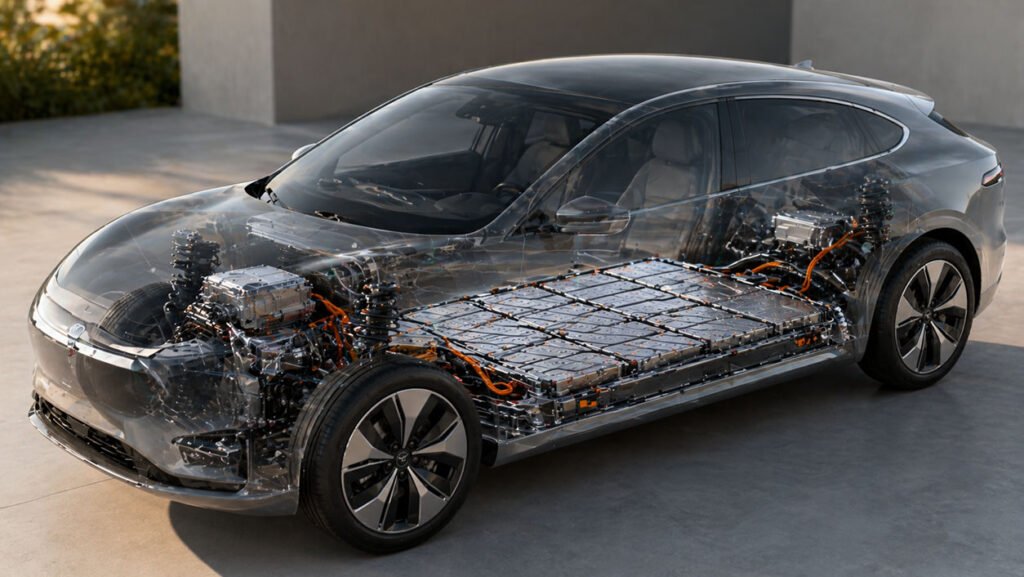
Understanding how this battery system works is key to knowing how long it actually lasts.
Average EV Battery Life: How Long Do They Last?
Most modern EV batteries last between 8 and 15 years, often even longer in real-world use.
Manufacturers typically offer warranties like:
- 8 years
- 160,000 km (or 100,000 miles)
This means the battery is guaranteed to maintain a certain percentage of its original capacity during that time.
In reality, many EV batteries last even longer. Early Tesla models, for example, are still running with usable range after hundreds of thousands of kilometers.
Real-World Battery Degradation
Battery degradation is not as dramatic as many people think.
Here’s what real-world EV battery usage typically looks like:
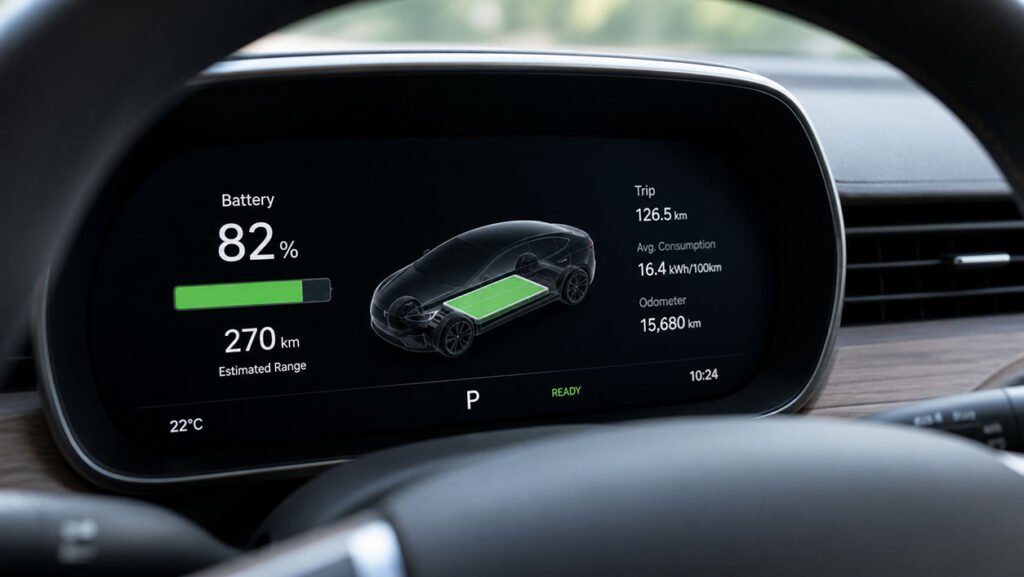
In real-world usage, most EVs lose about:
- 1% to 3% range per year
After 5 years, most EV batteries still retain around 85–90% of their original capacity.
Tesla data shows relatively slow degradation curves, especially after the first few years. BYD and other newer manufacturers are also improving battery longevity with better chemistry and software.
The key difference is simple:
- Lab tests → controlled conditions
- Real world → driving, weather, charging habits
Even in real conditions, degradation is gradual and predictable.
Here’s a simple breakdown of what real-world battery degradation looks like over time:
What Affects EV Battery Life?
Several real-world factors directly influence how fast an EV battery degrades over time.
Driving Habits
Aggressive driving, frequent acceleration, and high-speed highway use can increase battery wear over time.
Smooth driving helps maintain battery health.
Fast Charging Frequency
Fast charging is convenient but generates more heat.
Occasional fast charging is fine, but relying on it daily can slightly accelerate battery degradation.
Climate (Hot vs Cold)
Extreme temperatures affect battery performance.
- Hot climates → faster degradation
- Cold climates → temporary range loss
Modern EVs manage this with thermal systems, but climate still matters.
Battery Management Systems
This is often called the “invisible hero” of EV battery life.
Battery Management Systems (BMS):
- control charging
- prevent overheating
- optimize performance
This is why EV batteries last longer than people expect.
How Much Does It Cost to Replace an EV Battery?
Battery replacement used to be extremely expensive. However, prices continue to drop as battery technology improves each year.
Today, costs are dropping.
Typical ranges:
- $4,000 – $15,000 depending on model
- newer batteries → cheaper per kWh
But here’s the important part:
👉 Most EV owners never replace the battery
Why?
Because the battery rarely fails completely. It just slowly loses capacity.
How to Extend EV Battery Life
Yes. And it’s easier than you think.
Practical Tips
- Keep charge between 20%–80% for daily use
- Avoid constant fast charging
- Park in shade or garage in hot weather
- Don’t leave battery at 0% or 100% for long periods
These small habits can significantly extend battery lifespan.
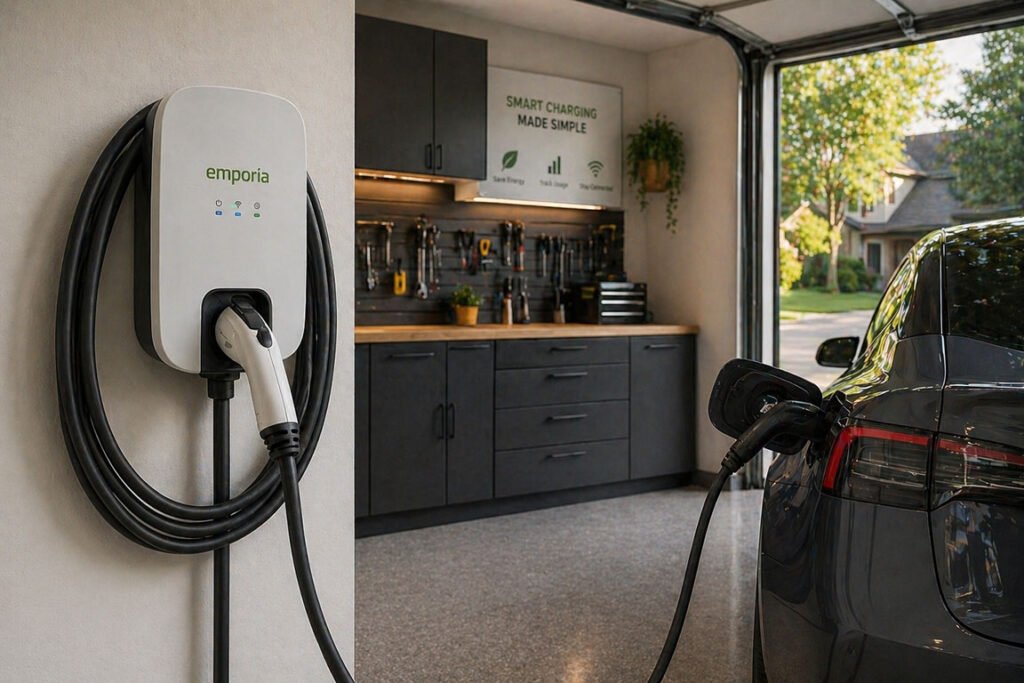
For better charging habits, see:
👉 Best Home EV Chargers Guide
EV Battery vs Gas Car Longevity
Let’s compare.
EVs don’t “break” the same way gas cars do. They degrade slowly, which is easier to manage.
Should Battery Life Be a Concern?
Short answer: not really.
Battery technology has matured significantly. Real-world data shows that EV batteries last longer than most people expect.
The bigger factors when buying an EV are:
- charging access
- daily usability
- range
If you’re comparing brands, you can also read:
👉 BYD vs Tesla Comparison
For deeper technical data on EV battery performance and specifications, you can explore:
👉 https://www.evspecifications.com
Conclusion
EV batteries are far more durable than most buyers assume. Real-world data shows gradual degradation, not sudden failure, and most drivers will never need a replacement during their ownership.
Instead of worrying about battery life, focus on how the car fits your daily needs. Charging access, driving habits, and usability matter much more than long-term battery fears.
For most drivers, EV battery life is no longer a risk — it’s a solved problem.