





Introduction
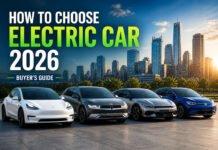
If you want to choose electric car 2026 options wisely, you need to focus on real-world usage, not just specs.
Choosing an electric car in 2026 is not as simple as picking the one with the longest range or the lowest price. The EV market has matured, and buyers now face a wide range of options across different price points, technologies, and ownership experiences.
This guide exists because most first-time EV buyers focus on the wrong things. Range numbers, acceleration, and design get all the attention. But real ownership depends on charging access, software experience, and long-term cost. This guide will help you focus on what actually matters.
1. Start With Your Daily Driving Needs
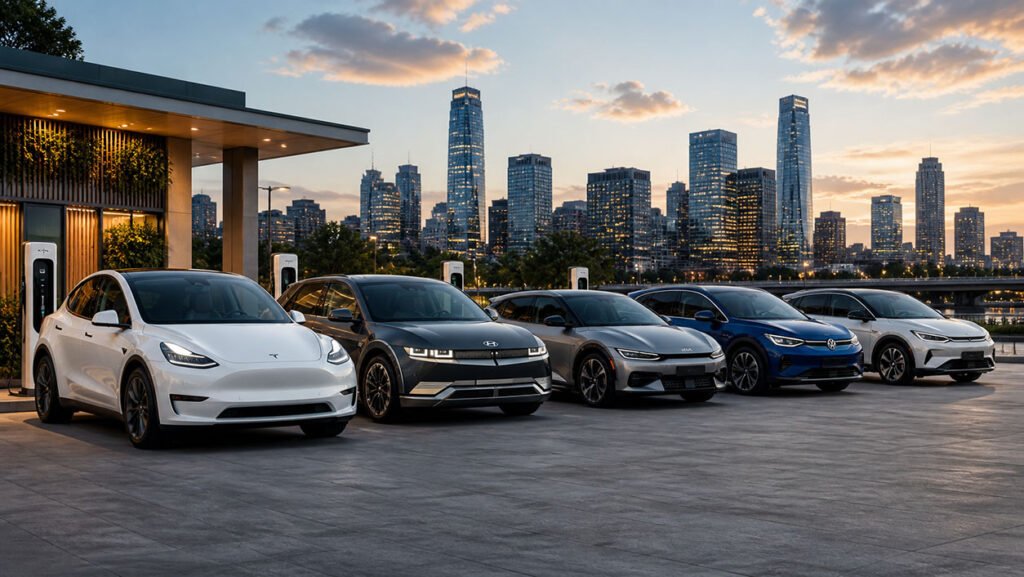
Before looking at brands, think about how you actually use a car.
Ask yourself:
- How many kilometers do you drive per day?
- Do you commute or work from home?
- Do you take long trips regularly?
Most drivers don’t need extreme range. A car with 400–500 km range is more than enough for daily use.
If you want to see real options, check our full list of
👉 Best Electric Cars in 2026
2. Understand Real-World Range (Not Just Specs)
Manufacturers advertise ideal numbers. Real-world range is different.
What affects range:
- Driving speed
- Weather conditions
- Terrain (hills vs flat roads)
- Use of AC/heating
A car rated for 500 km may realistically deliver 350–420 km.
Tip: Always assume 20–25% less than the official number.
3. Charging: The Most Important Factor
Range gets attention, but charging determines convenience.
Home Charging
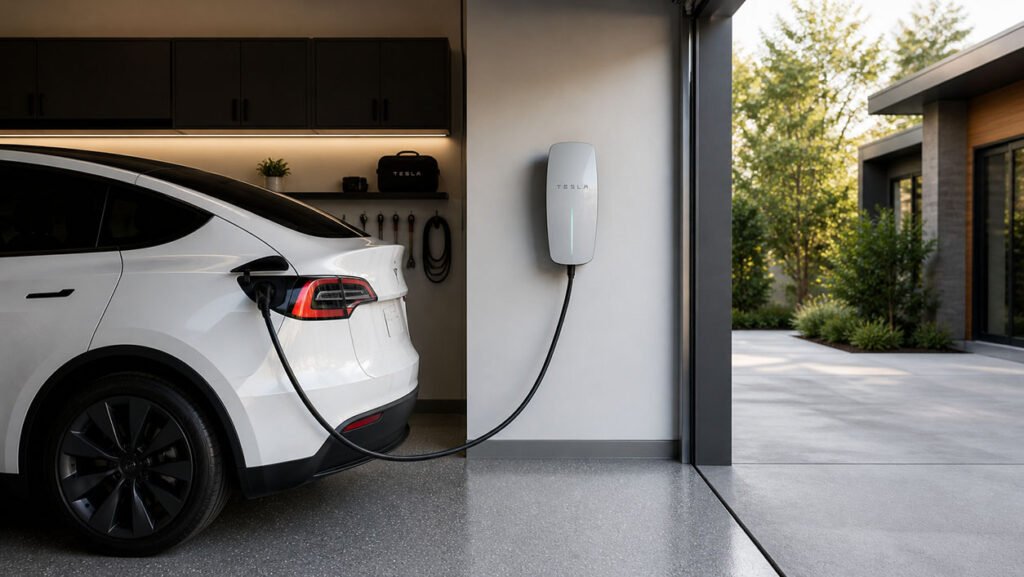
If you can charge at home, EV ownership becomes effortless.
👉 Read: Best Home EV Chargers in 2026
Public Charging
If you rely on public chargers:
- Check availability in your area
- Look at charging speed (kW)
- Understand waiting times
Not all networks are equal.
Video: EV Buying Guide 2026 Explained
4. Total Cost of Ownership (Not Just Price)
EVs can look expensive upfront, but ownership costs tell a different story.
Consider:
- Electricity vs fuel cost
- Maintenance (EVs have fewer moving parts)
- Insurance
- Battery warranty
Over time, EVs can be cheaper than gasoline cars.
5. Software and User Experience Matter More Than You Think
This is where many buyers make a mistake.
Modern EVs are not just cars. They are software platforms.
What to check:
- Interface speed and usability
- Navigation quality
- App integration
- Over-the-air updates
For example, Tesla is known for strong software integration.
👉 Read: Tesla Model Y Juniper Review 2026
6. Interior Comfort and Practicality
Specs don’t tell you how a car feels.
Check:
- Seat comfort
- Cabin space
- Storage (frunk + trunk)
- Build quality
If possible, test drive. You’ll learn more in 10 minutes than from 10 reviews.
7. Battery Technology and Longevity
Battery concerns are common, but often misunderstood.
Key points:
- Most EV batteries last 8–15 years
- Degradation is gradual, not sudden
- Manufacturers offer long warranties
Real-world data shows EV batteries are more durable than many expect.
Comparison: What Matters Most When Choosing an EV
8. New vs Used EV: Which Should You Buy?
New EV
✔ latest tech
✔ full warranty
✘ higher price
Used EV
✔ lower cost
✔ good value options
✘ battery condition varies
Used EVs can be a great entry point if checked properly.
9. Don’t Ignore Brand Ecosystem
Different brands offer different ownership experiences.
Example differences:
- Tesla → strong software, charging network
- BYD → strong value and battery tech
- Hyundai/Kia → balanced performance
Choose based on ecosystem, not just specs.
For official EV specs and comparisons, check:
👉 EV Specifications Website
Conclusion
Choosing the right electric car in 2026 is about understanding your real needs, not chasing the biggest numbers.
Focus on how you drive, where you charge, and what ownership will feel like every day. Range, cost, software, and comfort all matter, but the best EV is the one that fits your lifestyle.
Take your time, compare options, and think long-term. The right choice today will shape your driving experience for years.