













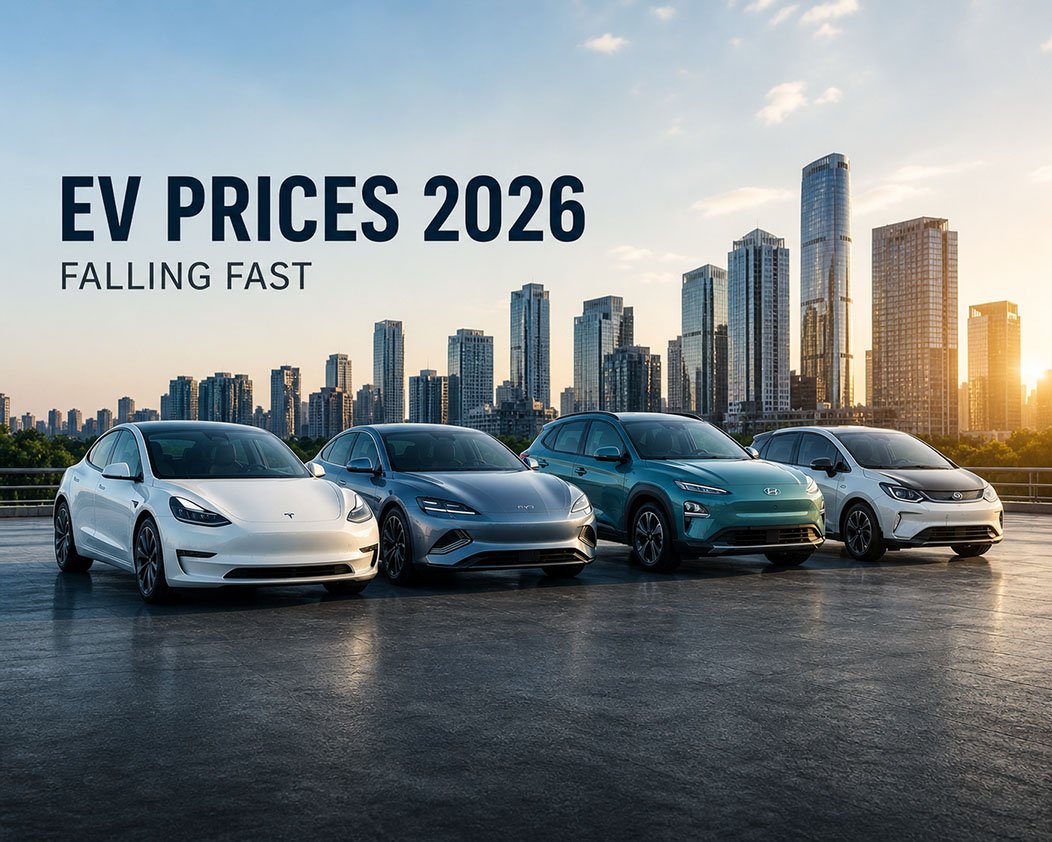
EV prices 2026 are falling faster than many buyers expected. That’s changing fast.
The biggest story in the EV market right now is simple: EV prices 2026 are falling, and not just in a few niche models.
For years, buyers hesitated because of high upfront costs. But in 2026, we’re seeing a clear shift. More models are entering lower price ranges, and competition is pushing prices down faster than expected.
So what’s actually driving this change? And more importantly, what does it mean for someone thinking about buying an EV today?
Why EV Prices Are Dropping in 2026
Several factors are coming together at the same time. This isn’t a one-off discount cycle. It’s a structural change in the market.
Battery production is scaling. More factories are coming online. Automakers are building EVs in higher volumes. At the same time, new brands—especially from China—are entering global markets aggressively.
All of this leads to one outcome: electric car prices falling in a way we didn’t see even two or three years ago.
Here’s what large-scale EV production looks like today:
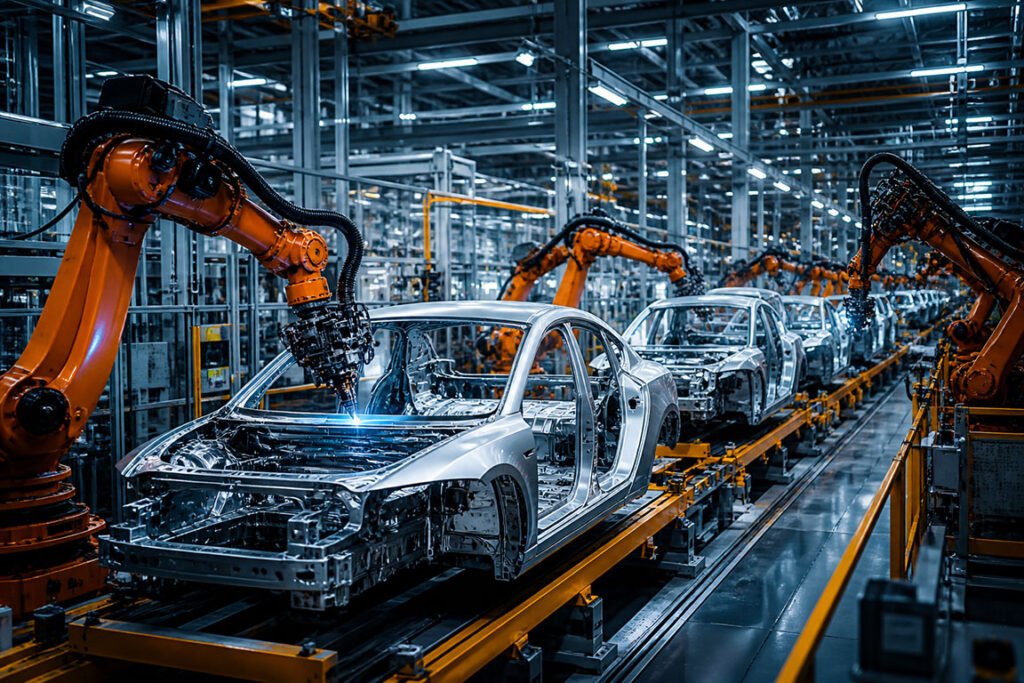
This is what a maturing industry looks like. Prices don’t drop because companies feel generous. They drop because the system becomes more efficient.
How Battery Costs Are Driving EV Price Trends 2026
Battery cost has always been the biggest piece of the puzzle. And for the first time, it’s consistently trending downward.
Lithium prices, which spiked in previous years, have stabilized. Supply chains are improving. New battery chemistries—like LFP (lithium iron phosphate)—are cheaper and increasingly common in entry-level EVs.
As a result, the cost per kWh is dropping. And since the battery is the most expensive part of an EV, that directly impacts final vehicle pricing.
This is one of the main reasons behind EV price trends 2026.
Here’s a simple breakdown of how falling battery costs are impacting EV prices:
Even small improvements in battery costs can translate into thousands of dollars in vehicle price reductions.
How Competition Is Driving Electric Car Prices Down
If battery costs are the engine, competition is the pressure.
Tesla is no longer alone. BYD, Hyundai, Kia, and several new players are pushing aggressively into the EV space. Many of them are willing to compete on price to gain market share.
This has triggered a pricing battle.
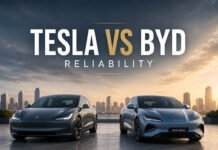
Tesla adjusts prices. BYD undercuts. Others follow. The result is simple: buyers benefit.
If you want a deeper look at how these brands compare, read our
👉 Tesla vs BYD comparison
This growing rivalry is one of the biggest drivers behind are EVs getting cheaper conversations in 2026.
EV Incentives and Market Trends Affecting EV Prices 2026
Another factor that still plays a role is government support.
In many regions, buyers can access tax credits, rebates, or reduced registration fees for EVs. These incentives effectively lower the purchase price, even if the sticker price hasn’t changed.
At the same time, the market itself is becoming more mature. More models are available. Infrastructure is improving. Consumer confidence is rising.
You can explore global EV policy trends on the International Energy Agency (IEA) website.
As markets mature, pricing becomes more competitive and transparent. That’s a natural step in any growing industry.
Real EV Price Examples 2026: Are EVs Getting Cheaper?
This isn’t just theory. You can see it in actual models.
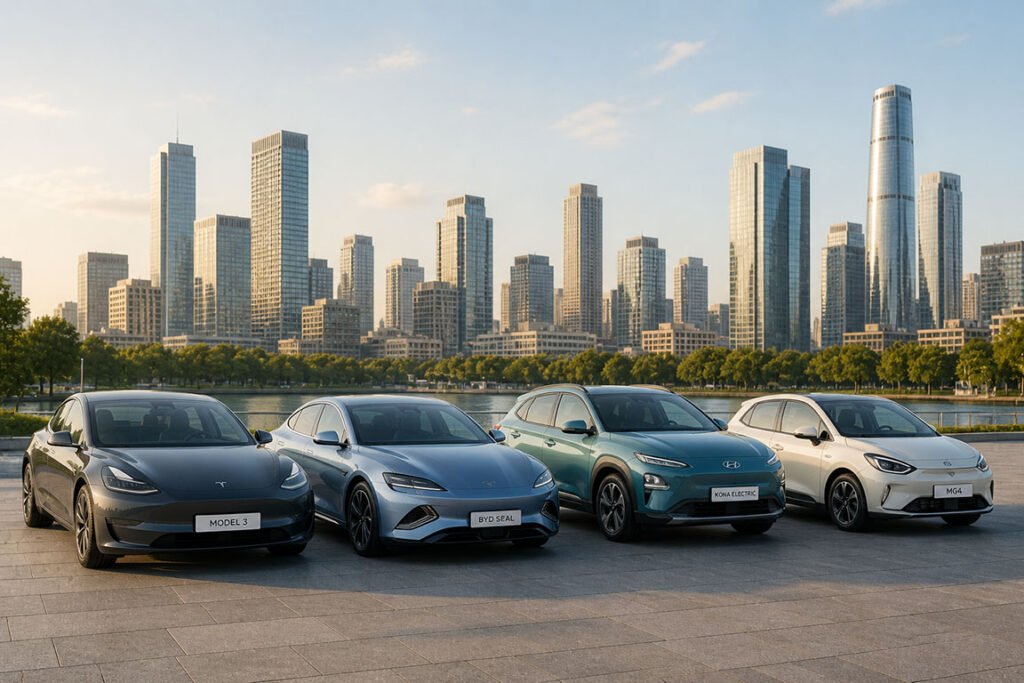
- Tesla Model 3: More competitive pricing than previous years in many regions
- BYD Seal: Strong value positioning, often undercutting competitors
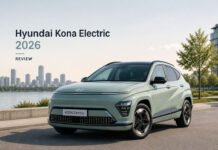
- Hyundai Kona Electric: Becoming one of the more accessible mainstream EVs
In many cases, these cars now compete directly with traditional gas-powered vehicles in the same segment.
If you’re looking for budget-friendly options, check:
👉 Cheapest EVs 2026
The gap between EVs and gas cars is closing faster than expected.
What Falling EV Prices 2026 Mean for Buyers
For buyers, this shift is significant.
EVs are no longer just early-adopter products. They’re becoming mainstream options. That means more choice, better pricing, and fewer compromises.
This also changes how people think about timing.
Should you wait for prices to drop further? Or buy now while incentives and availability are still strong?
The answer depends on your needs, but one thing is clear: EV affordability 2026 is better than ever before.
If you’re still comparing options, read our
👉 complete EV buying guide
Also explore:
👉 Best Electric Cars 2026
Should You Buy Now or Wait as EV Prices Continue Falling?
This is the question everyone asks.
Prices may continue to fall in 2027. That’s likely. But the biggest drops often happen early in a trend, not later.
Waiting might save you some money. But it also means delaying the benefits of owning an EV—lower running costs, quieter driving, and a different ownership experience.
In many cases, the “perfect time” doesn’t exist.
If you find a good deal today, it may already be worth it.
Final Thoughts on EV Prices 2026 and Future Trends
The big picture is clear: EV prices 2026 are moving in the right direction for buyers.
Lower battery costs, stronger competition, and a more mature market are all pushing prices down. EVs are no longer niche or experimental. They’re becoming normal.
That doesn’t mean every EV is cheap. But it does mean the trend is finally working in the buyer’s favor.
For many buyers, waiting no longer makes sense, the value is already here.