









Introduction
EV maintenance cost is one of those subjects that gets distorted from both directions. Some people talk about electric cars as if they barely need servicing at all. Others talk as if every EV is one battery fault away from financial ruin. The truth is less dramatic, and more useful, than either side suggests: most EVs do cost less to maintain than comparable gas cars, but they are not maintenance-free, and some ownership costs simply show up in different places. Consumer Reports has said EV owners spend about half as much on maintenance and repairs over the life of the vehicle as owners of comparable gasoline cars.
That matters because buyers are not just asking whether an EV is cheaper to fuel day to day. They want to know whether it is genuinely cheaper to live with over five, seven, or ten years. AAA’s latest ownership-cost analysis still shows clear energy-cost advantages for EVs, but it also notes that higher purchase prices, depreciation, and insurance can offset part of that benefit depending on the segment.
So this guide is about the real question: how much does EV maintenance cost, what you actually save, which costs remain, and where many first-time buyers still get caught out. If you want the wider ownership picture first, our electric car buying guide is the best place to start.
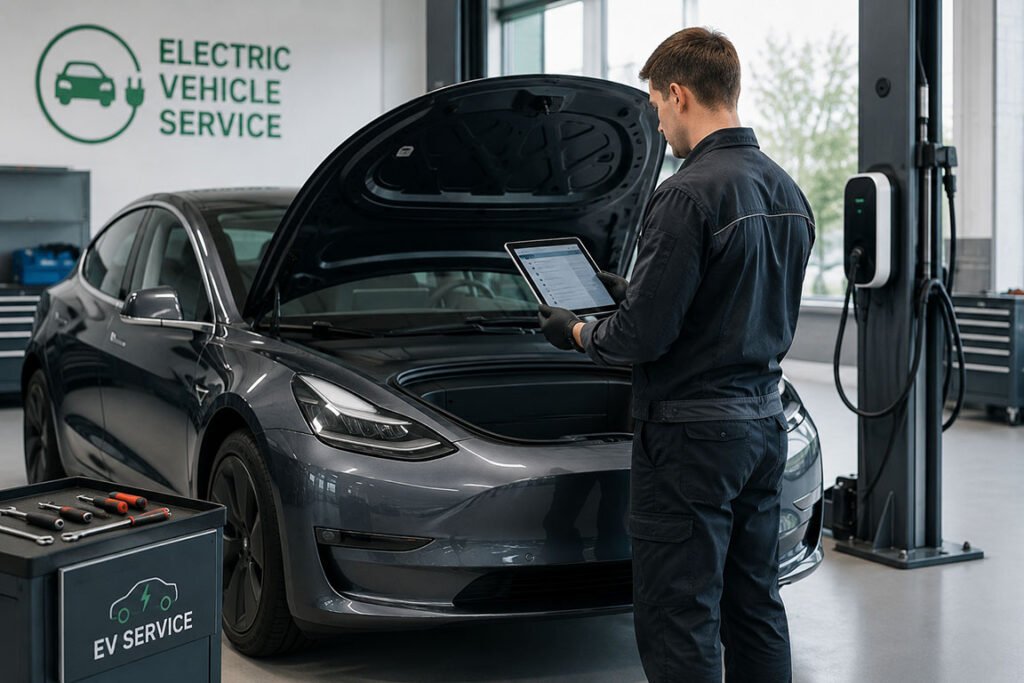
Modern EVs require less routine maintenance than traditional gas vehicles.
Do Electric Cars Really Need Less Maintenance?
Yes, in most cases they do.
The biggest reason is mechanical simplicity. EVs do not need oil changes, spark plugs, timing belts, exhaust-system work, or many of the fluid and engine-related service items that quietly build up in a gasoline car. Tesla’s official Model 3 maintenance guidance is a good example of how short the routine service list can be in a modern EV: brake-fluid health checks every four years, cabin air filter replacement every two years, tire rotation, wiper blades, and brake service in salted-road regions.
That is still maintenance, just a much shorter list than most combustion cars carry. It is just a much shorter list than most combustion cars carry.
Regenerative braking helps as well. Because the motor does so much of the slowing down, friction brakes often last longer than many drivers expect. That does not mean brake service disappears. It means it is usually less frequent and far less central to the ownership story. Tesla specifically recommends annual brake-caliper cleaning and lubrication in regions with salted winter roads, which is a useful reminder that EVs still live in the real world, not in marketing copy.
The honest editorial conclusion is simple: EVs do not eliminate maintenance, but they usually reduce the amount of routine maintenance owners have to think about. Over time, that is a meaningful advantage.
What Maintenance Costs Still Exist?
This is where the conversation becomes more practical and more useful.
An EV may skip oil changes, but it still wears tires, uses cabin filters, relies on climate-control hardware, and needs inspections and repairs like any other modern car. Suspension parts still age. Alignments still matter. Cabin air filters still need replacing. Software updates may reduce some service visits, but they do not erase wear items or chassis-related costs. Tesla’s own maintenance documentation, for example, still includes brake-fluid checks, tire rotation, cabin air filters, wiper blades, and brake cleaning for certain climates.
The real difference is that EV servicing is less engine-centered. You are spending less time thinking about lubrication, combustion heat, emissions hardware, and traditional drivetrain maintenance. Instead, your costs are more likely to cluster around tires, filters, alignments, suspension wear, and the occasional HVAC or brake-related visit.
An EV may skip oil changes, but that does not mean routine ownership costs disappear.
| Maintenance Item | Typical EV Cost | ICE Vehicle Comparison |
|---|---|---|
| Tire replacement | Often similar or higher | Usually similar, but many EVs wear tires faster |
| Brake service | Usually less frequent | Usually more frequent |
| Cabin air filter | Still required | Still required |
| Suspension and alignment | Still required | Still required |
| A/C and heat-pump service | Possible over time | Possible over time |
| Software and service visits | Varies by brand | Usually fewer OTA updates, more routine dealer visits |
That is why EV maintenance usually feels simpler, even if it is not entirely cost-free.
The best way to think about it is this: an EV simplifies routine maintenance, but it does not cancel the physical reality of using a heavy, modern car every day.
EV Tires Wear Faster Than Many Drivers Expect
This is one of the most important parts of the electric car maintenance cost conversation, and still one of the most underestimated.
EVs are often heavy, and they deliver torque instantly. That combination can be hard on tires, especially in dual-motor cars or when drivers enjoy frequent hard launches. Even when the car itself is cheap to service, an unexpectedly early tire bill can quickly eat into the neat “EVs are cheaper” narrative many buyers carry into ownership.
That does not mean every EV goes through tires at the same rate. It means tire costs vary more than first-time buyers often assume. A lighter, slower EV driven gently will not tell the same story as a powerful all-wheel-drive one used mostly in stop-start traffic. Still, if you want one practical warning before buying any EV, it is this: budget for tires honestly.
Editor’s take: Tires are where electric-car ownership starts feeling normal again. Weight matters. Torque matters. Driving style matters. Ignore this part of the budget and the ownership math gets optimistic very quickly.
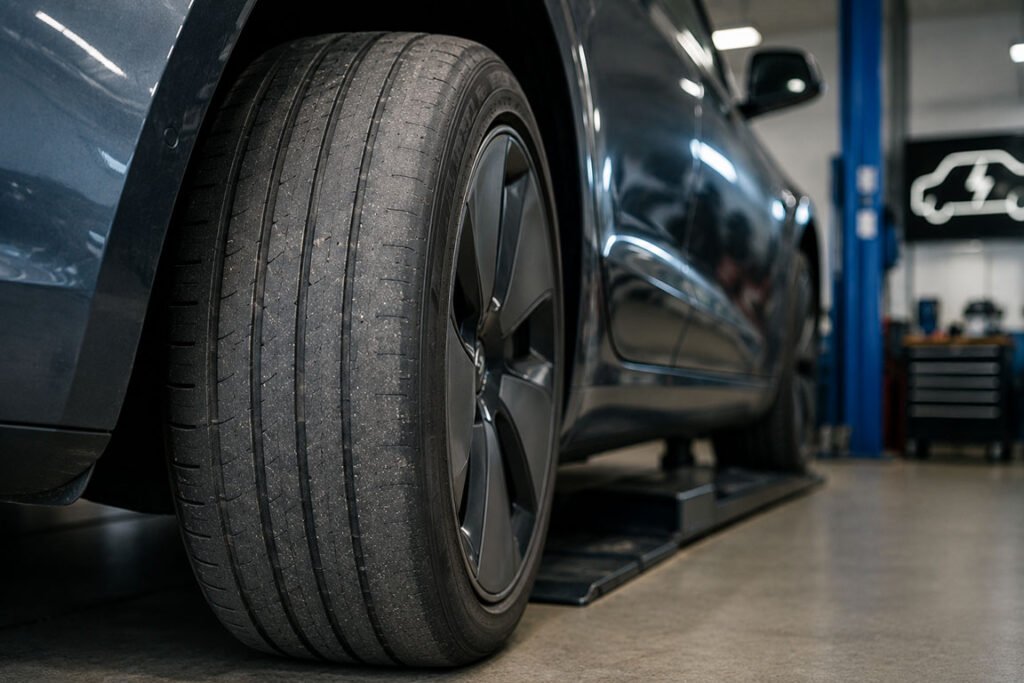
EV tires can wear faster due to vehicle weight and instant torque.
Battery Maintenance and Long-Term Costs
Battery maintenance is usually not a routine service story. It is really a long-term risk story.
Most owners are not paying to “maintain” the battery in the traditional sense. What most buyers are really worried about is degradation, warranty coverage, and the possibility of expensive repair or replacement later in the car’s life. That concern is understandable, but it should be kept in proportion. Hyundai Motor Europe says its high-voltage batteries are covered for 8 years or up to 160,000 km, with warranty language tied to restoring the battery state of health to at least 70% of its original state under the stated terms.
That kind of warranty language matters because it shows what manufacturers are genuinely willing to stand behind. It does not mean battery replacement is impossible. It means the more realistic ownership story is gradual degradation with warranty protection during the years when most first owners still have the car. If you want the degradation side explained more clearly, read our [Do electric cars lose range over time?] guide. For a mainstream ownership benchmark, our Tesla Model 3 review is also useful here.
The right way to frame battery cost is not through panic, but through probability. It is probability. Battery replacement is expensive. It is also much less common than the broader internet conversation sometimes implies.
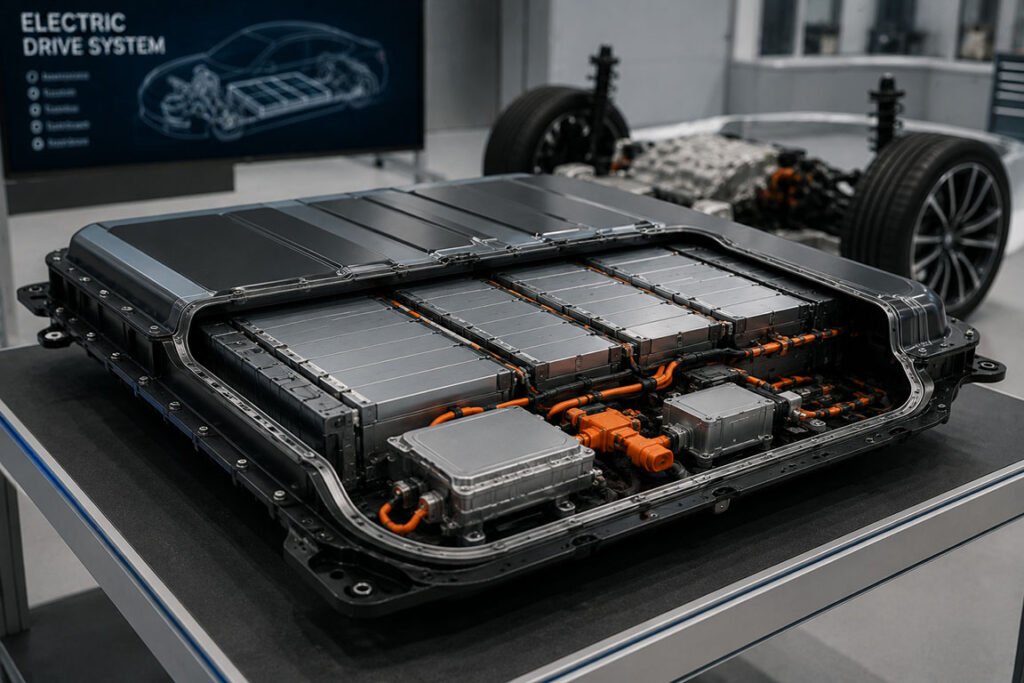
Battery warranties help reduce long-term ownership concerns.
Tesla Maintenance Cost vs Other EV Brands
Tesla still shapes the ownership conversation because it normalized the idea that an EV can go long stretches without traditional servicing. Its official maintenance schedule is sparse, and that translates into a lower perceived Tesla maintenance cost for many owners coming from gasoline cars. Tesla’s advantage is reduced routine service and a software-first ownership model. Its weak point is that service experience can vary a lot by region and workload.
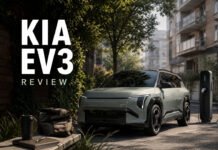
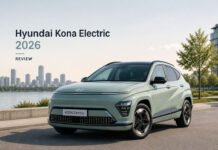
Hyundai and Kia often make more sense to buyers who still want a familiar dealer-and-service structure. Hyundai’s battery warranty remains strong, and the broader ownership experience tends to feel more conventional, which many buyers still prefer. That does not make it cheaper by default. It makes it easier to trust for people who are not interested in rethinking how car ownership works.
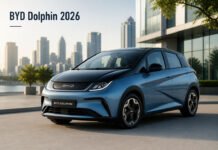
BYD’s pitch is different. It combines value-led pricing with battery confidence, and its Blade Battery warranty language in Europe has become more serious and more reassuring for cautious buyers. That helps reduce perceived long-term risk for cost-conscious buyers.
Volvo sits at the more conservative end of the tone spectrum. It is not selling the dream of zero maintenance. It is selling reassurance, structure, and maturity. That matters more than enthusiasts sometimes admit, because a lot of real buyers still want the emotional comfort of a known support framework.
The practical takeaway is that EV maintenance cost is not only about the machine itself. It is also about the service model behind it.
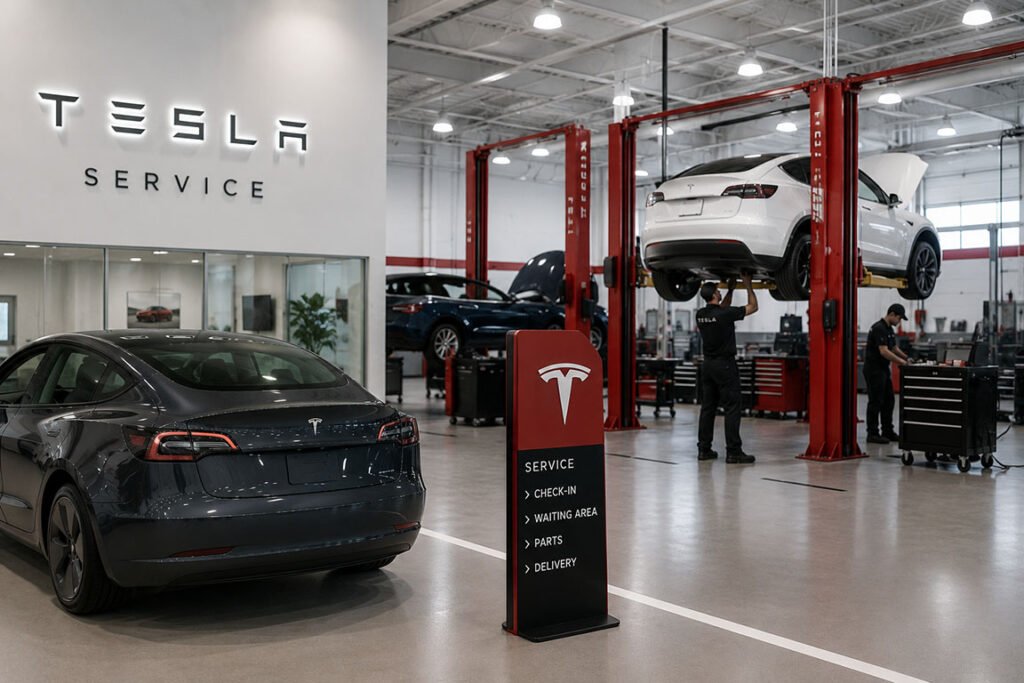
Service experience varies significantly between EV brands.
EV Repair Costs After an Accident
This is where the conversation has to remain honest.
Routine maintenance is usually cheaper in an EV. Collision repair can be a different story. Reuters reported on Gartner’s projection that EV repair costs could rise significantly, partly because of design complexity, structural battery protection, and manufacturing choices such as large castings that can make repairs more involved.
That does not mean every EV becomes a repair nightmare after a minor accident. It means minor accidents do not always stay minor once specialist labor, sensors, structural work, and parts availability enter the equation. This is one reason insurance costs can still feel stubbornly high on certain EVs, especially premium models and Teslas.
So the real answer is mixed: EVs are often cheaper to maintain, but not always cheaper to repair after an accident. Those are not the same question, and buyers should stop treating them as though they are.
This video works well here because it grounds the cost discussion in real ownership rather than brochure-level claims.
How Much Can You Actually Save With an EV?
This is where balance matters most, because this is where the ownership math can easily become too optimistic.
If you drive regularly, charge mostly at home, and compare a sensible EV with a sensible gas car, the savings can be genuinely meaningful. Consumer Reports’ long-term analysis found that EV owners spend about half as much on maintenance and repairs as gas-car owners, and it estimated roughly $4,600 in lifetime savings compared with gasoline vehicles.
AAA’s numbers provide the useful reality check. EVs still show clear fuel-cost advantages, but that does not automatically make them cheaper in every ownership category. Higher purchase prices, depreciation, and insurance can still dilute the advantage depending on the model and segment.
So yes, you can save. But the savings are strongest when you drive enough to benefit from cheaper energy, charge at home, and avoid buying more EV than you actually need.
| Ownership Area | EV | Gas Car |
|---|---|---|
| Fuel / energy | Usually lower, especially with home charging | Usually higher |
| Routine maintenance | Usually lower | Usually higher |
| Tire wear | Sometimes higher | Usually more predictable |
| Insurance | Can be higher | Often lower |
| Accident repair risk | Can be higher | Often more familiar and sometimes cheaper |
That is why EV ownership has to be judged as a full cost picture, not just a fuel-cost story.
Hidden EV Ownership Costs Most Buyers Ignore
This is where many glossy EV explainers become a little too optimistic for their own good.
Home charging is not always cheap to set up in the real world. A professionally installed Level 2 charger can cost real money before incentives, and installation complexity varies sharply depending on the electrical setup in the home. AAA’s 2025 EV survey also noted that residential charging installation challenges remain one reason some buyers hesitate.
Insurance is another one. EVs often carry higher repair-cost expectations, higher vehicle values, or both. Depreciation can also be less predictable than buyers expect in fast-moving segments where pricing shifts and software-led perception changes can move the used market quickly.
Then there are tires again. They deserve to be mentioned twice because many owners underestimate them twice.
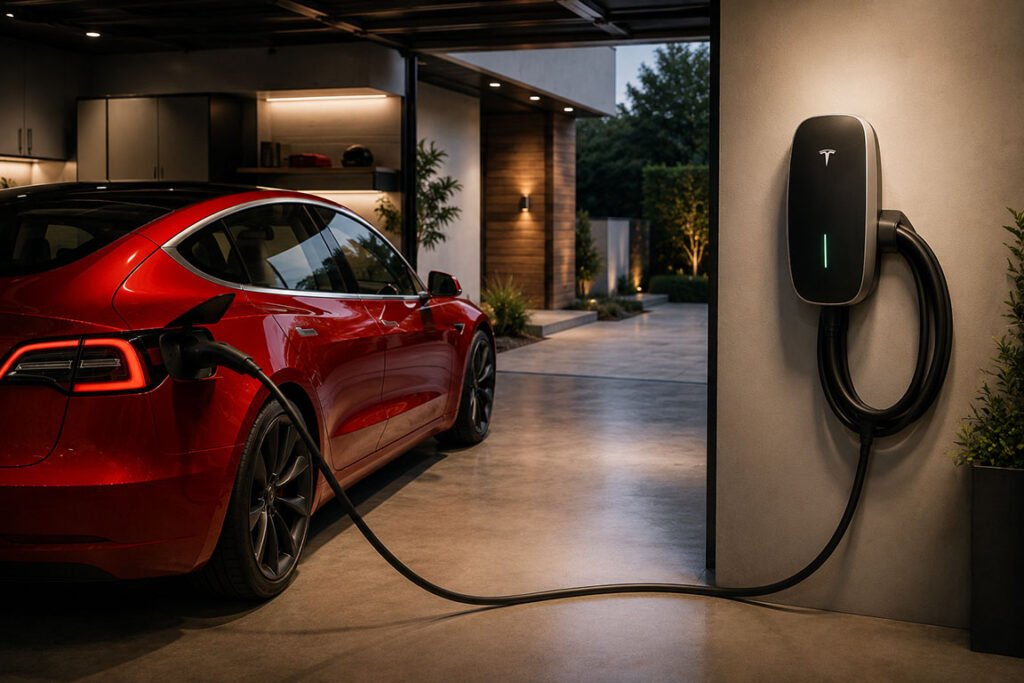
Home charging installation is one of the hidden ownership costs of EVs.
Final Verdict: Are EVs Really Cheaper to Maintain?
Yes, in most real-world ownership cases, EV maintenance cost is lower than the maintenance cost of a comparable gas car.
That is the clean answer.
But that only stays true if you use the word maintain properly. EVs usually need less routine service. They usually avoid many of the recurring maintenance costs that define combustion-car ownership. And the best owner data still supports the idea that they are cheaper to maintain over time.
What EVs do not do is erase every other ownership expense. Tires still matter. Insurance still matters. Home charger installation still matters. Accident repairs can be expensive. Battery anxiety still exists, even if modern warranties have made it less rational than it once was.
So the honest editorial conclusion is this: if you are asking whether an electric car is cheaper to maintain over the long term, the answer is usually yes. If you are asking whether EV ownership is automatically cheaper in every possible way, the answer is no.
That is why the right EV matters more than the abstract idea of an EV. For a broader operating-cost breakdown, read our EV charging cost guide. And if you are still comparing the segment more generally, our best affordable EVs roundup is the right next step.