






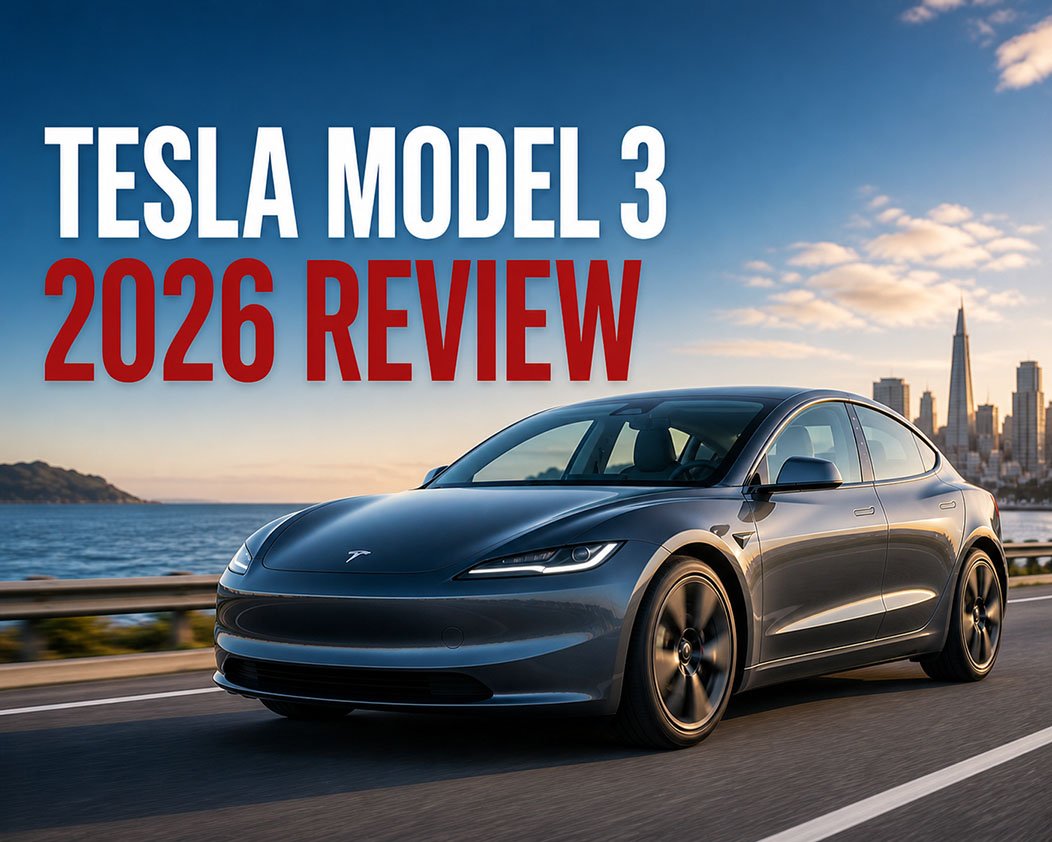
Overview of Tesla Model 3 2026
Tesla Model 3 2026 review: does the Model 3 still feel like the default electric car choice in 2026?
For years, the Model 3 has been the car many people imagined when they thought about buying an EV. It was efficient, fast, easy to charge, and supported by Tesla’s strong software ecosystem. In 2026, those strengths still matter, but the EV market is no longer empty. BYD, Hyundai, Kia, Volkswagen, and other brands now offer serious alternatives.
The Model 3 remains important because it sits in the sweet spot between price, range, performance, and daily usability. It is not the cheapest EV, and it is not the most luxurious. But for many buyers, it still offers one of the cleanest ownership experiences in the market.
This car is best for people who want a simple daily EV with strong software, good range, and easy charging. If you are still comparing your options, read our complete best electric cars 2026 guide.
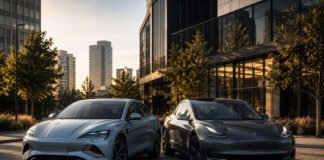
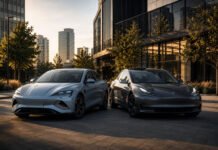
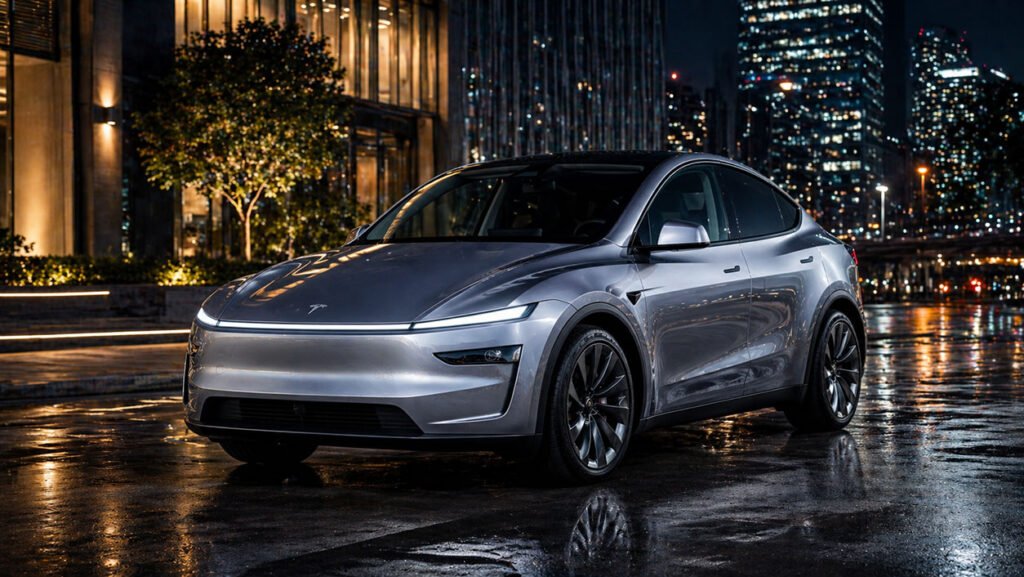
Here’s how the Model 3 looks in a real-world urban setting:
Design and Interior
The Tesla Model 3 still follows the same minimalist design philosophy. The exterior is clean, smooth, and aerodynamic, without unnecessary details. Some people love that simplicity. Others may find it too plain compared with newer EVs that look more dramatic.
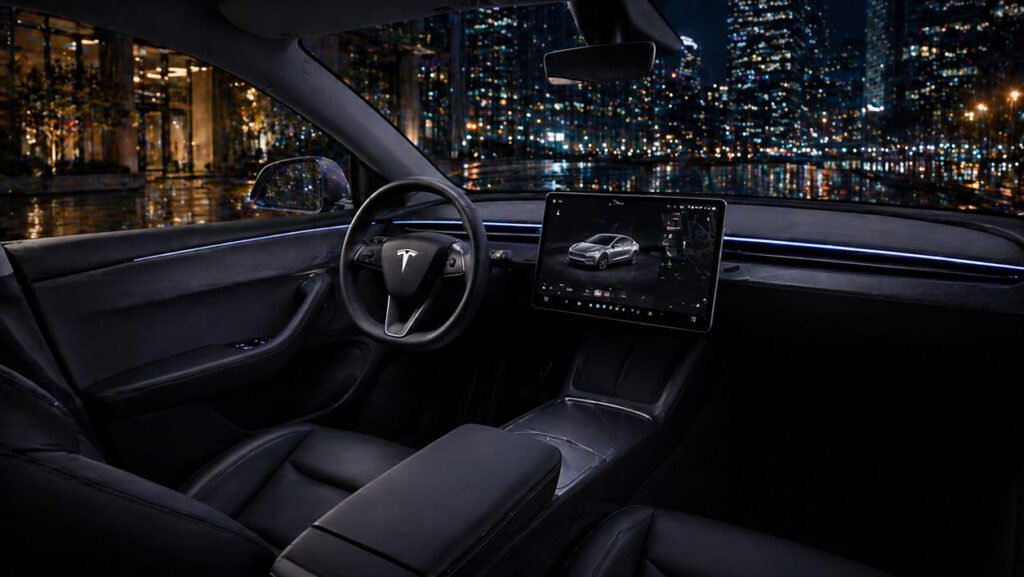
Inside, the cabin is even more minimal. Almost everything runs through the central touchscreen. There are very few physical buttons, which keeps the dashboard clean but also creates a learning curve for new drivers.
Material quality is better than early Model 3 versions, but it still does not feel like a traditional luxury sedan. The cabin feels modern rather than rich. That distinction matters. If you expect leather, heavy switches, and a premium German-car feel, the Model 3 may feel too simple.
The software experience is where the interior makes the most sense. The screen is fast, the menus are clean, and Tesla’s interface feels more polished than most rivals. For daily use, this matters more than people think.
Here’s a closer look at the Model 3 interior in a real-world setting:
Performance and Driving Experience
The Model 3 has always been stronger on the road than its simple design suggests. Even the lower trims feel quick in everyday driving, while dual-motor versions offer very strong acceleration.
Exact performance depends on the version, but the general experience is consistent: instant torque, quiet acceleration, and smooth power delivery. Tesla’s official Model 3 page lists different charging and specification details depending on trim, with Supercharging capability reaching up to 250 kW on some versions.
For full specifications and official performance data, you can check Tesla’s official Model 3 specifications page.
The steering feels sharp and direct. It is not a soft, floating sedan. The Model 3 feels more athletic than many mainstream EVs, which makes it enjoyable on faster roads.
Ride comfort is better than older Model 3 versions, but it is still not the softest car in the segment. If you drive on rough roads every day, you may notice more road texture than in some Hyundai or BYD alternatives.
In real-world use, the Model 3 is easy to drive. It feels light, quick, and predictable. That is one of the reasons it remains popular. It does not ask the driver to think too much, which is exactly what many EV buyers want.
Range and Real-World Efficiency
Range is one of the main reasons why the Tesla Model 3 2026 remains a top choice for many EV buyers.
Depending on version and market, the Tesla Model 3 range 2026 can be very competitive. Edmunds lists the 2026 Model 3 Standard with an electric range of 321 miles, while EVSpecifications lists EPA combined figures around 303–321 miles depending on configuration.
But official numbers are not the full story. The Tesla Model 3 real world range depends on speed, weather, wheels, climate control, and driving style. Highway driving usually lowers range more than city driving.
In mild weather, the Model 3 can be very efficient. EV Database estimates real-world range for the Model 3 RWD between 320 km and 645 km depending on conditions, with highway cold-weather use at the lower end and mild city use at the higher end.
Cold weather matters. In winter, range can drop because the battery and cabin need heating. This is not unique to Tesla. It affects all EVs. The Model 3 handles it better than many older EVs, but buyers should still expect lower winter range.
If range is your top priority, compare this review with our full EV buying guide
For more detailed real-world range data, you can explore independent sources like EV Database.
Charging Experience
Charging is still one of Tesla’s biggest advantages. The Supercharger network remains easier to use than many public charging alternatives. You plug in, the car communicates with the charger, and billing happens automatically.
That simplicity matters. Many non-Tesla charging networks still involve apps, payment issues, or charger availability problems. Tesla is not perfect, but the experience is usually smoother.
At home, the Model 3 works best with Level 2 charging. Most owners will charge overnight and wake up with enough range for daily driving. If you can charge at home, the ownership experience becomes much easier.
Tesla states that some Model 3 versions can add up to around 185–195 miles in 15 minutes under ideal Supercharging conditions, depending on trim. Real-world charging speed will vary with battery temperature, state of charge, and charger conditions.
For home charging setup advice, link here:
👉 Best Home EV Chargers 2026
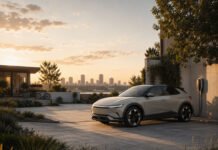
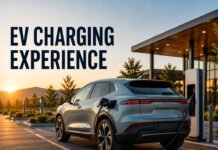
Here’s a real-world look at Tesla Model 3 charging and daily ownership:
Technology and Features
Technology is one of the biggest reasons why the Tesla Model 3 still stands out in 2026. The infotainment system is fast, clean, and deeply integrated into the car.
Navigation, charging route planning, climate control, media, and vehicle settings all feel connected. This is where Tesla still feels more like a software product than a traditional car.
Autopilot and driver assistance features are useful, but expectations should stay realistic. They reduce fatigue on highways, but they do not make the car fully self-driving. The driver still needs to pay attention.
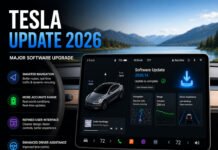
Over-the-air updates are another major strength. Tesla can improve features after purchase, which helps the car feel fresher over time. This is one of the biggest reasons buyers stay loyal to the brand.
If you want broader brand context, link to your comparison here:
👉 Detailed BYD vs Tesla comparison
Pros and Cons
What the Model 3 does well:
Pros
- Excellent software experience for daily use
- Strong real-world efficiency
- Easy Supercharger access
- Quick acceleration even in lower trims
- Clean, simple interior design
- Strong resale awareness compared with many EVs
- Frequent over-the-air updates
Where it falls short:
Cons
- Interior may feel too minimal for some buyers
- Ride comfort is not the softest in class
- Too many controls depend on the touchscreen
- Build quality can vary by market and production batch
- Rear-seat comfort is good, but not class-leading
- Some rivals now offer more traditional comfort
- Driver assistance features can be misunderstood by buyers
Tesla Model 3 2026 vs Competitors
The Model 3 no longer wins by default. That is the uncomfortable truth. The Model 3 no longer wins by default and that’s a big shift in the EV market.
The BYD Seal is now one of the strongest Model 3 alternatives because it offers strong value and a more traditional cabin feel. Hyundai Ioniq 6 competes with comfort, efficiency, and a distinctive design.
The Model 3 still wins if you care most about software, charging simplicity, and a low-friction EV experience. But if you want a softer ride or richer-feeling cabin, competitors deserve a serious look.
So where does that leave the Model 3 in today’s EV market?
Is Tesla Model 3 Still Worth It in 2026?
So, is the Tesla Model 3 still worth it in 2026?? For many people, yes.
The Model 3 is still one of the easiest EVs to recommend because it does the important things well. It has strong range, efficient driving, fast software, and simple charging.
But it is no longer the obvious answer for every buyer.
Buy it if you want:
- strong charging convenience
- modern software
- efficient daily driving
- quick acceleration
- easy EV ownership
Skip it if you want:
- luxury interior feel
- many physical controls
- soft suspension
- traditional dashboard design
- maximum rear-seat comfort
The best way to think about the Model 3 is this: it is not the emotional choice for everyone, but it remains one of the most logical choices in the EV market.
Final Verdict
The Tesla Model 3 2026 review shows that the car still deserves its reputation, but with a few important warnings. It remains efficient, quick, software-rich, and easy to live with.
However, the competition is stronger than ever. BYD and Hyundai now offer real alternatives, especially for buyers who want comfort, value, or a more traditional cabin.
The Model 3 is still one of the best EVs in 2026, but it is no longer unbeatable. And honestly, that is good for buyers. The Model 3 is no longer the only smart choice, but it’s still one of the best.