




















Introduction
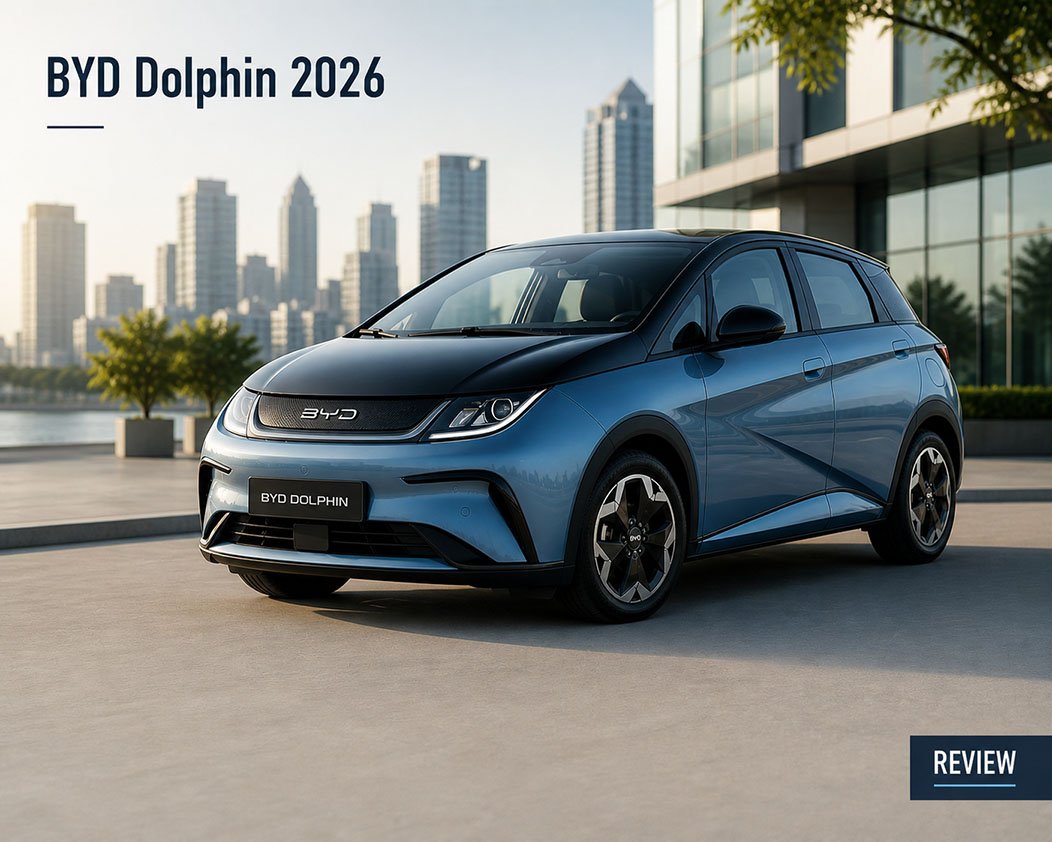
The BYD Dolphin used to be easy to understand: a compact, affordable electric car built to make EV ownership accessible. In real-world driving, the Dolphin delivers around 300–400 km; enough for most people, but not without compromises.
In 2026, that simplicity is gone.
The segment has matured. Budget EVs are no longer basic. Some are faster, some are more refined, and some are starting to blur the line between “cheap” and “good.”
This BYD Dolphin 2026 review looks past the marketing and into real-world use: range, charging, cost, and daily usability.
In real driving, the Dolphin typically delivers around 300–400 km depending on conditions. That’s enough for most people, but not without compromises.
The real question is no longer whether it’s affordable.
It’s whether it’s still one of the smartest ways to spend less without feeling like you settled.
If you’re still comparing options, start with our electric car buying guide to understand what actually matters before you decide.
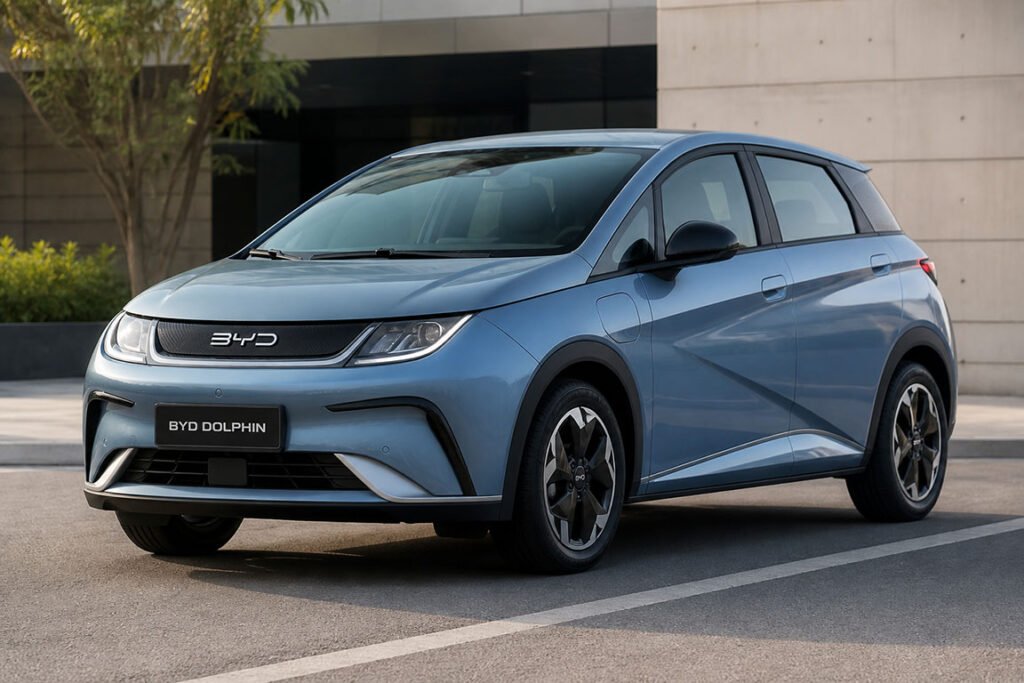
It’s not designed to impress at first glance, but it makes more sense the longer you live with it.
Global EV adoption trends from IEA show how quickly expectations in this segment are evolving.
Specs only tell part of the story. This real-world review shows how the BYD Dolphin actually performs in daily driving — from city traffic to longer trips.
As shown above, the Dolphin works best as a city-focused EV, where its efficiency and simplicity matter most.
Specs rarely tell the full story. This real-world test shows how the BYD Dolphin behaves in daily driving, not just on paper.
The video highlights where the Dolphin works best, and where its budget-focused nature starts to show.
Design & Interior
The Dolphin doesn’t try to be aggressive or premium.
It’s a small hatchback with soft lines and a friendly look. Some will find it modern. Others will call it forgettable.
That’s intentional.
Inside, it feels more ambitious.

The cabin feels more interesting than expected, but material quality still reflects its budget positioning.
You get a rotating infotainment screen, digital gauges, and a layout that feels more interesting than most cars in this price range.
But cost-cutting is visible.
Some plastics feel thin. Buttons lack weight. It’s not bad — just not polished.
Still, for the price, it’s one of the more characterful interiors in this segment.
Performance & Driving Experience
The Dolphin is built for ease, not excitement.
Acceleration is smooth and predictable. In city driving, it feels responsive enough thanks to instant torque.
On paper, it’s quick enough. On the road, it’s calm.
Ride comfort is tuned for urban use. It absorbs bumps well at low speeds but feels softer at highway pace.
Steering is light. Easy to use, not engaging.
If you’re expecting excitement, this isn’t the car. If you want something that just works every day without effort, it does exactly that.
Range & Efficiency (Real-World)
On paper, the numbers look competitive. In real life, consistency is what matters more. This is where the Dolphin earns its place.
According to official data from BYD, the Dolphin offers a WLTP range of around 427 km.
Real-world numbers:
- City: 350–400 km
- Mixed: 300–350 km
- Highway: 250–300 km
For most users, that’s more than enough for daily driving without needing to think about charging every day. The important part isn’t maximum range. It’s consistency.
The Dolphin doesn’t collapse under normal driving. It delivers close to what it promises, and that matters more than big claims.
Charging & Battery
Charging is practical, not impressive.
Typical BYD Dolphin charging time:
- AC (home): ~6–8 hours
- DC fast charge (10–80%): ~30–40 minutes
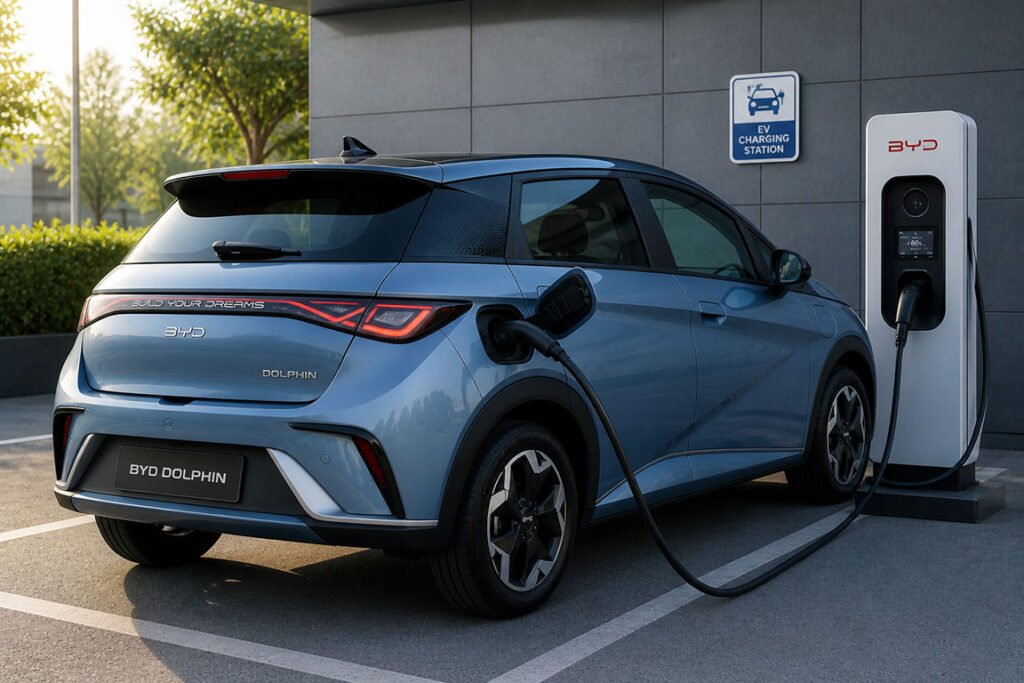
Charging performance is perfectly usable day to day, but it also shows where newer EV platforms are starting to move ahead.
Charging is practical for daily use, but not particularly fast compared to newer EV platforms.
Charging performance is broadly in line with independent benchmarks from EV Database.
For a full breakdown of real-world charging expenses, check our EV charging cost guide.
At home, it’s simple and predictable.
On long trips, it requires more planning.
Real-World Cost to Own
This is the Dolphin’s strongest argument.
Charging cost:
- ~$2–$4 per 100 km
Maintenance is minimal:
- no oil changes
- fewer mechanical parts
Insurance and resale depend on region, but daily ownership is clearly affordable.
It’s not just cheap to buy.It’s cheap to run.
For many buyers, this is where the Dolphin makes the most sense not when you buy it, but when you live with it.
Pros and Cons
✔ Pros
- Strong efficiency
- Easy city driving
- Good value for money
- Competitive range
- Low running costs
❌ Cons
- Interior quality is mixed
- Not engaging to drive
- Charging is average
- Highway efficiency drops
- Brand perception still evolving
Taken together, these trade-offs make it clear: the Dolphin is built to hit a price point first, and everything else comes after.
BYD Dolphin vs Competitors
vs Hyundai Kona Electric
The Kona Electric feels more refined.
Better materials. Better consistency. More mature overall.
The Dolphin is cheaper — and that’s its advantage.
If budget matters → Dolphin
If overall quality matters → Kona
For a more refined alternative, see our Hyundai Kona Electric review.
vs Tesla Model 3
Different worlds.
Tesla offers:
- performance
- software
- charging network
Dolphin offers:
- affordability
- simplicity
- lower expectations
👉 Tesla = tech-first
👉 Dolphin = cost-first
Who Should Buy the BYD Dolphin?
Buy it if:
- you want a cheap EV
- you mainly drive in the city
- efficiency matters more than performance
- you want a simple daily car
Skip it if:
- you drive long highway distances
- you want premium feel
- you expect fast charging
If you’re comparing similar options, explore our best affordable EVs for a broader view.
Final Verdict: Is It the Best Budget EV in 2026?
The BYD Dolphin isn’t perfect.
But it doesn’t pretend to be.
It delivers what most buyers actually need:
- usable range
- low cost
- simple daily usability
It cuts corners where you will notice.
But it also avoids unnecessary complexity.
If your goal is to spend as little as possible and still get a functional EV, this is one of the smartest choices available.
If you want more refinement, you’ll need to pay for it.
And that’s exactly where the Dolphin makes sense.