













Introduction
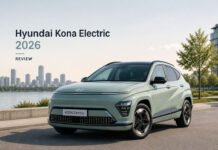
The Hyundai Kona Electric used to be an easy recommendation. Efficient, affordable, and simple to live with. In real-world driving, it delivers around 350–450 km of range and remains one of the easiest budget EVs to live with.
In 2026, it’s not that simple anymore.
Competition has caught up. Some rivals are cheaper. Others offer faster charging, better tech, or more space. So the real question isn’t just what the Kona Electric does well — it’s whether it still makes sense today.
This Hyundai Kona Electric 2026 review focuses on that: real-world usability, real costs, and whether it’s still worth buying now.
If you’re still comparing options, start with a electric car buying guide to understand what really matters.
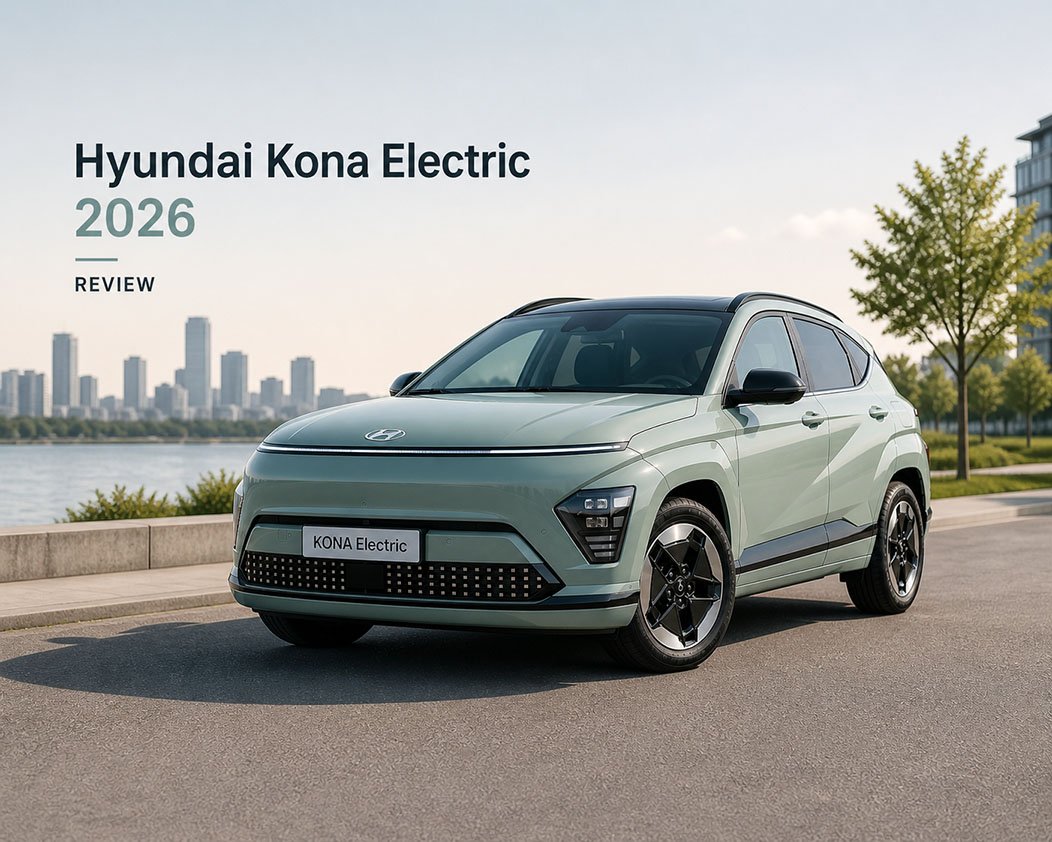
Still wondering if the Kona Electric holds up against newer EVs? This quick real-world review shows how it actually performs beyond the specs.
A quick real-world look at how the Kona Electric performs in daily driving conditions.
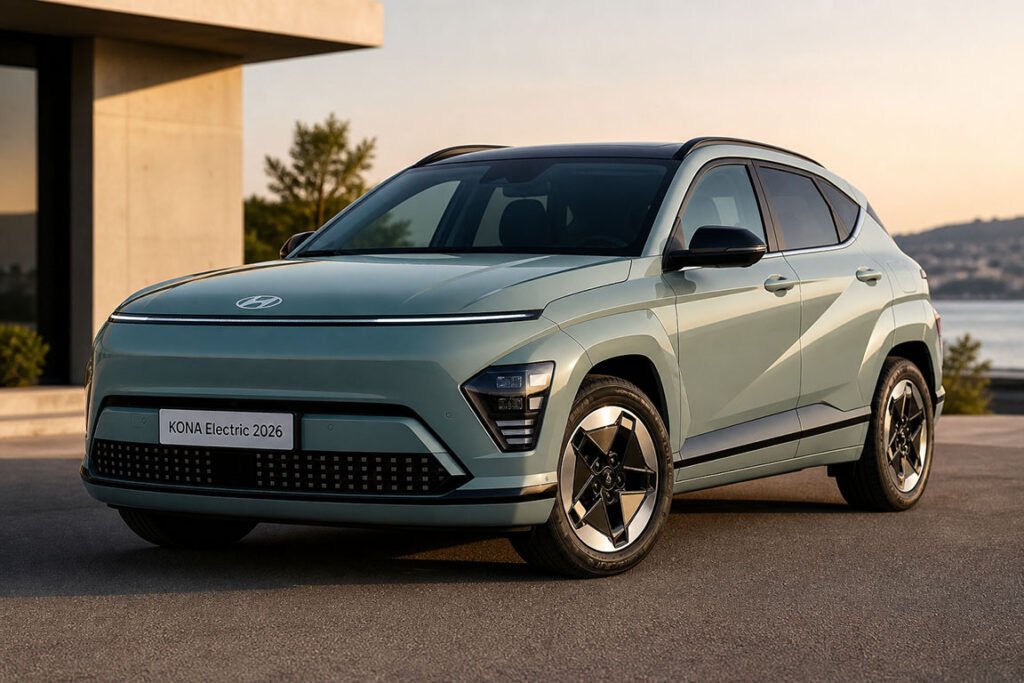
It’s not a design that turns heads, but it’s clean, modern, and unlikely to age badly.
Design & Interior
The Kona Electric doesn’t try too hard visually. It’s not a design that will excite you, but it also won’t age badly.
It’s a design that won’t turn heads, and that’s intentional. It plays it safe, which works for buyers who don’t want their car to look like a rolling concept experiment.
Inside, things are better than expected.
The dashboard is clean. Dual screens are standard. And unlike many EVs, you still get physical buttons where they matter.
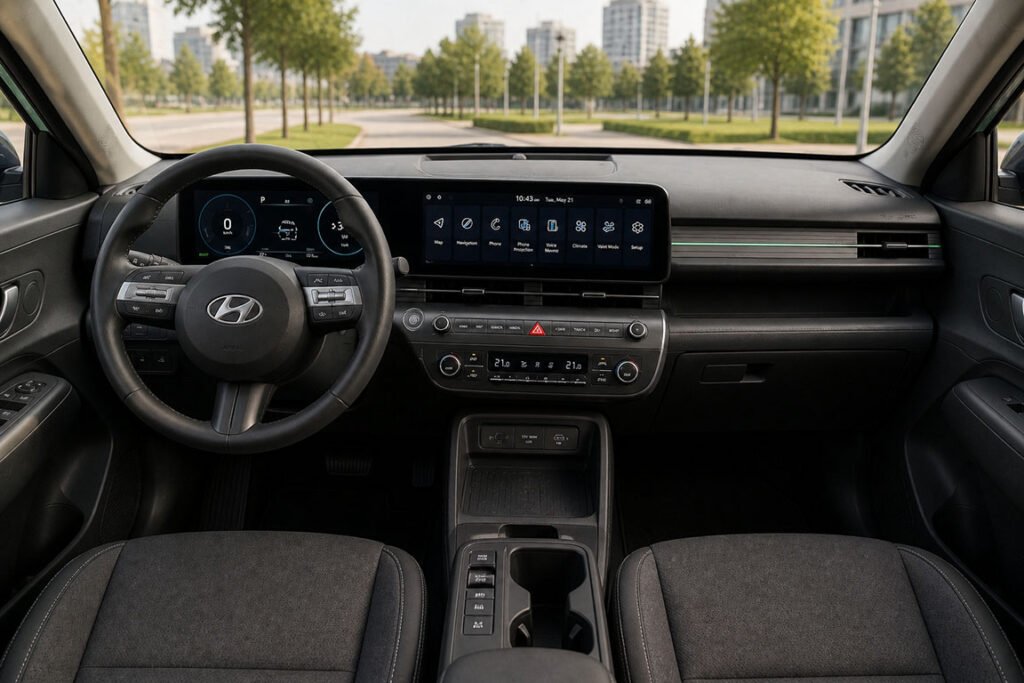
The Kona Electric avoids the “everything on a screen” trend, offering a more practical and user-friendly layout.
Material quality is solid for the price. Not premium, but not cheap either.
Real-world take:
👉 Tesla feels like a tech product
👉 Kona feels like a normal car
And for many people, that’s exactly the point.
Performance & Driving Experience
No drama here. And that’s not a bad thing.
Acceleration is smooth and quick enough for city driving. It feels responsive in traffic, thanks to instant torque.
If you’re expecting excitement, you’ll be disappointed. But if you want a car that feels effortless every day, the Kona Electric delivers.
Ride comfort is good. It handles bumps well for a compact SUV.
Steering is light and predictable. Not sporty, but easy.
Range & Efficiency (Real-World)
This is still one of Kona’s strongest areas.
According to official data from Hyundai, the Hyundai Kona Electric range is around 490 km WLTP.
- ~490 km WLTP
Real-world numbers:
- City: 400–450 km
- Mixed: 350–420 km
- Highway: 300–350 km
The key point isn’t just range — it’s consistency.
The Kona Electric doesn’t promise big numbers and then collapse on the highway. It delivers close to expectations, which still matters in 2026.
Charging & Battery
Charging is good, but no longer a highlight. Charging performance data is consistent with independent EV benchmarks such as EV Database.
Typical Kona Electric charging time:
- AC (home): ~6–7 hours
- DC fast charge (10–80%): ~40–45 minutes
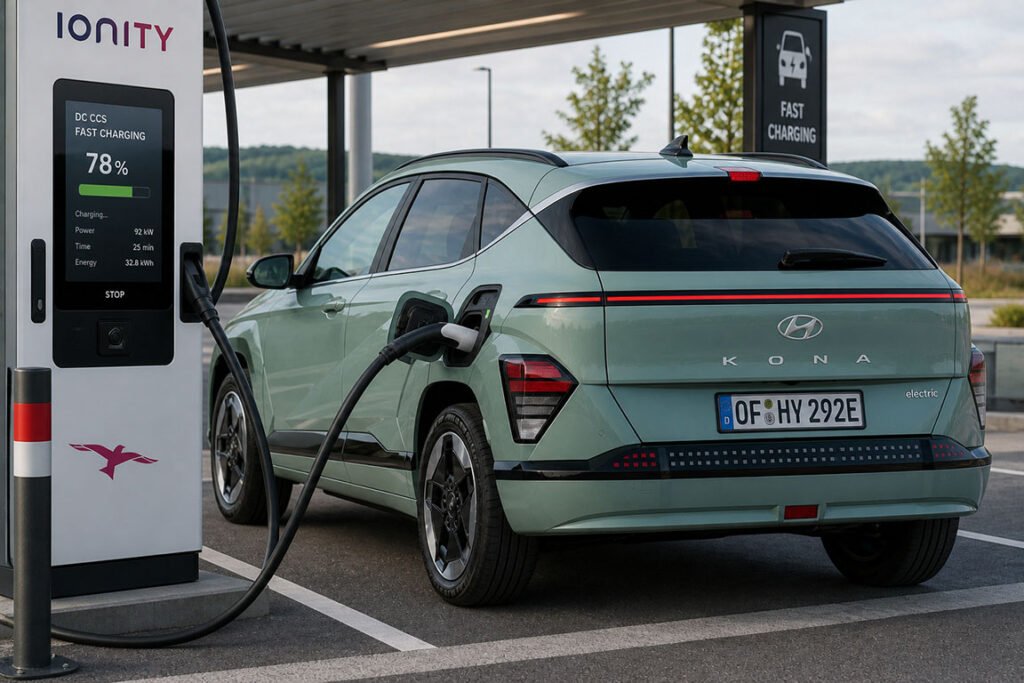
Charging performance is solid for daily use, though newer EVs are starting to pull ahead in fast charging speed.
Fast charging is no longer a strong point. Newer EVs charge significantly faster, and that gap is becoming more noticeable on longer trips.
Still, for daily use:
👉 home charging = what really matters
For a deeper breakdown of real-world charging expenses, check our EV charging cost guide.
Real-World Cost to Own
This is where the Kona still makes a strong case.
Charging cost:
- ~$2–$5 per 100 km (home charging)
That’s significantly cheaper than gasoline.
Maintenance is also lower:
- no oil changes
- fewer moving parts
If your priority is running cost, this car makes sense.It’s not the cheapest to buy, but one of the cheapest to live with.
For most drivers, this is where the Kona Electric still quietly wins.
Pros and Cons
✔ Pros
- Excellent real-world efficiency
- Easy and comfortable daily driving
- Good range for the price
- Low running costs
- Simple, usable interior
❌ Cons
- Rear seat space is limited
- Fast charging is average
- Not exciting to drive
- Competitors offer newer tech
- Design feels conservative
None of these are deal-breakers, but together they explain why the Kona Electric feels slightly behind newer rivals.
Hyundai Kona Electric vs Competitors
vs BYD Dolphin
The BYD Dolphin is cheaper, but it clearly feels like a budget-first car. In some markets, it’s hard to ignore.
The Kona Electric, on the other hand, feels more mature and balanced.
But it feels more budget-focused.
The Kona Electric feels like a more complete, better-balanced product.
vs Tesla Model 3
Different philosophy entirely.
Tesla offers:
- better performance
- stronger software
- superior charging network
Kona offers:
- lower complexity
- easier daily usability
- more traditional driving feel
👉 Tesla = tech-first
👉 Kona = practicality-first
Which one matters more depends on how you actually use your car, not just what looks better on paper.
Who Should Buy the Kona Electric?
Buy it if:
- you want a simple, reliable EV
- you mainly drive in the city
- efficiency matters more than performance
- you don’t want a “tech-heavy” car
Skip it if:
- you want fast charging
- you care about cutting-edge features
- you need more interior space
If you’re comparing similar models, explore our list of best affordable EVs.
If you just want a car that works every day without surprises, this is one of the safest choices you can make.
Final Verdict: Is It Still Worth It in 2026?
The Kona Electric is no longer the obvious winner it once was.
But it’s still one of the easiest EVs to recommend.
It doesn’t try to impress with flashy features or headline numbers. Instead, it delivers where it matters:
👉 efficiency
👉 usability
👉 predictable ownership
In a market full of “almost better” options, that kind of consistency still has real value.
If you want the smartest no-risk choice in the budget EV segment, this is still one of the safest picks.
It’s not the most exciting EV in 2026, but it’s one of the easiest to live with and for many buyers, that matters more.