












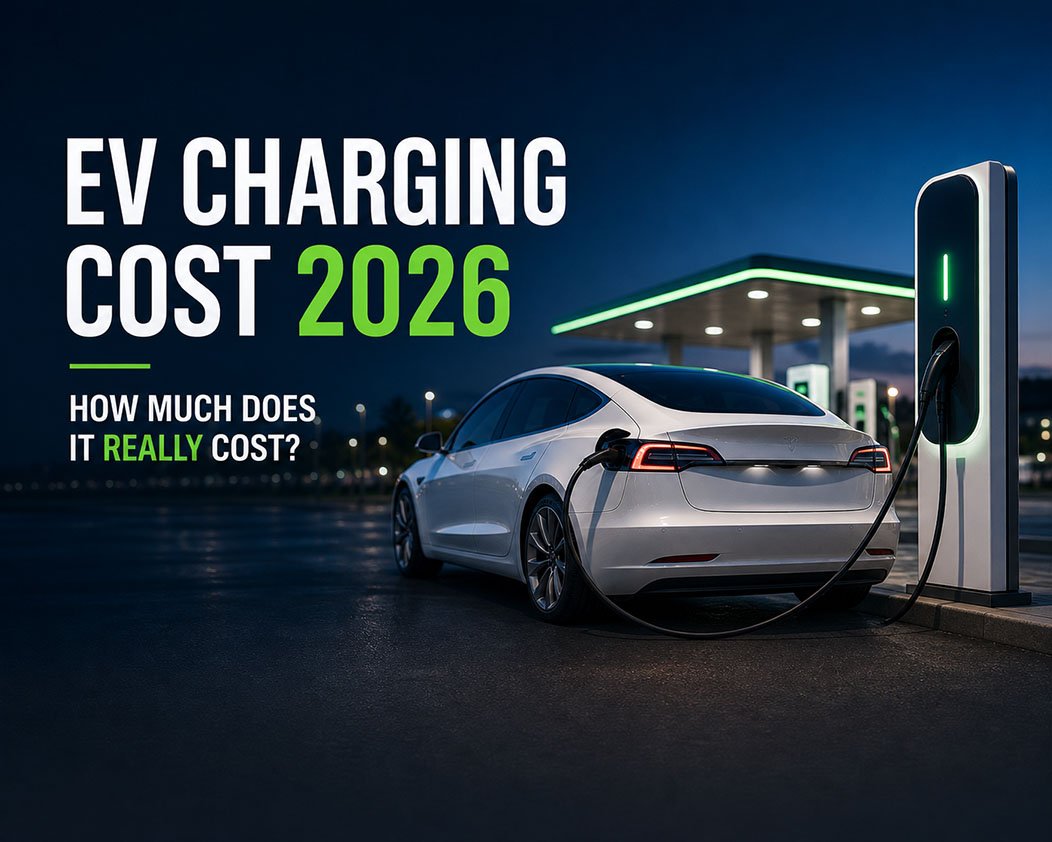
EV charging cost 2026 is lower than most people expect. In real-world conditions, charging an electric car can cost between $2 and $5 per 100 km depending on how and where you charge.
Charging costs vary depending on where you live, how you drive, and how you charge. Two drivers using the same car can end up paying very different amounts.
This guide breaks down the real-world costs in a simple and practical way so you can understand what you’ll actually pay.
If you’re still exploring EV ownership, check our 👉 electric car buying guide
Introduction: EV Charging Costs Explained
One of the biggest advantages of electric vehicles is lower running cost.
Instead of paying for fuel, you pay for electricity. And in most cases, electricity is significantly cheaper.
But understanding the real cost requires a basic understanding of how EV charging works.
How EV Charging Cost Is Calculated
Electric cars consume energy measured in kilowatt-hours (kWh).
👉 Basic formula: Charging Cost = kWh per 100 km × electricity price
Example:
Consumption: 15 kWh / 100 km
Electricity price: $0.15 per kWh
👉 Cost: 15 × 0.15 = $2.25 per 100 km
This simple formula gives you a good estimate of EV cost per km.
However, real-world conditions can change the result.
Driving faster, using heating or air conditioning, and carrying extra load all increase energy consumption. On the other hand, city driving with regenerative braking can reduce it.
Still confused about how EV charging cost actually works? This quick real-world example shows how electricity price and consumption translate into what you pay.
Real-world charging costs may vary depending on electricity prices and driving conditions.
Here’s a simple breakdown of how EV charging costs are calculated in real-world scenarios:
Average EV Charging Cost in 2026
Charging costs vary by region, but global trends are clear.
According to global data from International Energy Agency (IEA), electricity pricing and EV adoption continue to evolve across markets.
Here’s a simple real-world comparison of EV charging costs based on different charging methods:
Real-world EV charging cost 2026 by charging type
| Charging Type | Cost per kWh | Cost per 100 km |
|---|---|---|
| Home Charging | $0.10–$0.20 | $1.5–$3 |
| Public Fast Charging | $0.30–$0.60 | $4–$9 |
👉 Key takeaway: home charging is significantly cheaper.
Home Charging vs Public Charging
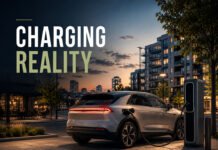
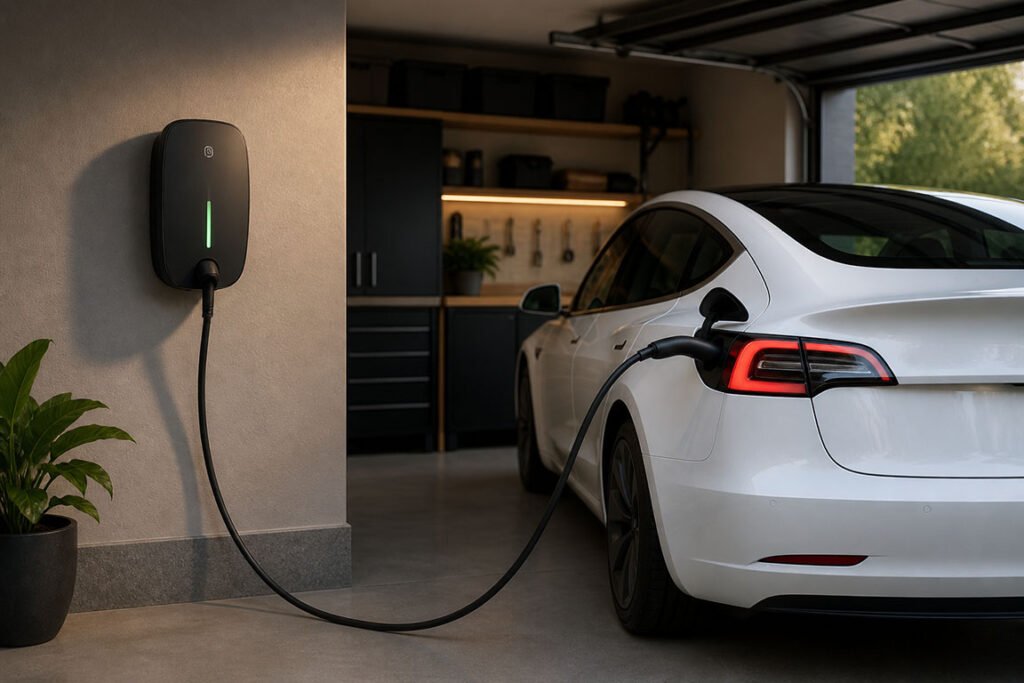
Most EV owners rely on home charging for daily driving.
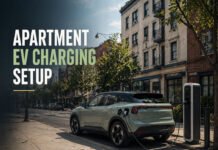
Public charging is mainly used during long trips or when home charging isn’t available.
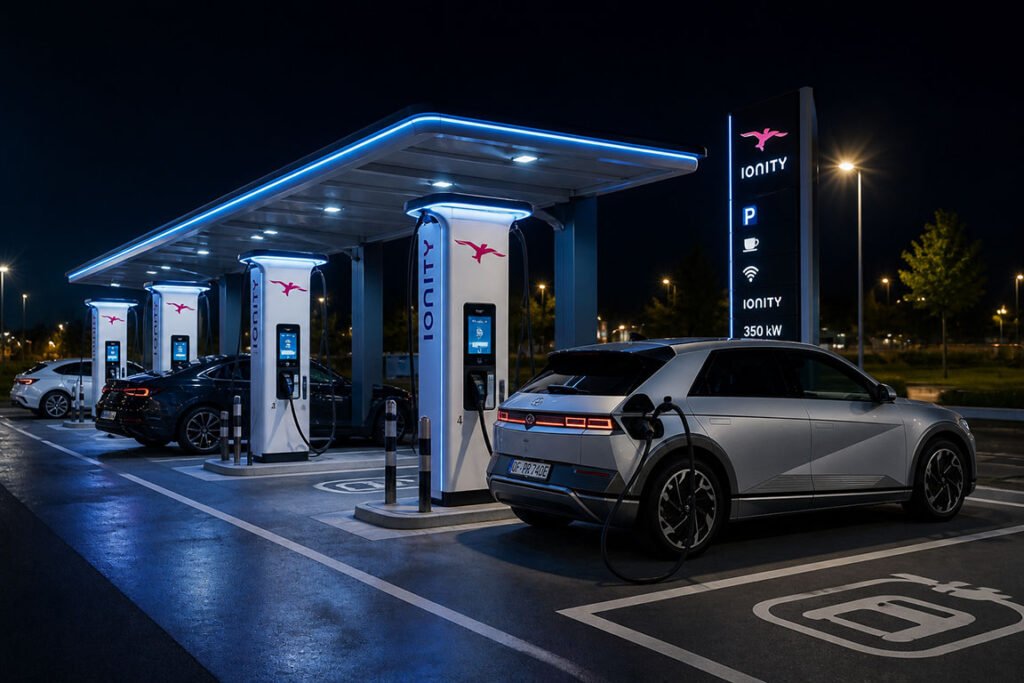
In real-world usage, this difference has a major impact on total cost.
Home vs public EV charging comparison
| Type | Speed | Cost | Best Use |
|---|---|---|---|
| Home Charging | Slow | Low | Daily use |
| Fast Charging | Fast | High | Long trips |
If you’re planning a home setup, explore 👉 home EV chargers
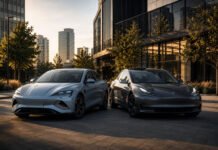
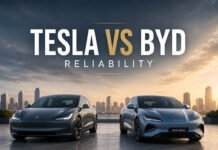
Real-World Example (Tesla Model 3 & BYD Seal)
Let’s look at realistic numbers.
Tesla Model 3
- ~14 kWh / 100 km
- ~$2 per 100 km (home)
- ~$5–7 per 100 km (fast charging)
BYD Seal
- ~16 kWh / 100 km
- ~$2.5 per 100 km (home)
- ~$6–8 per 100 km (fast charging)
In city driving, both cars can be more efficient due to regenerative braking. On highways, consumption increases significantly.
👉 Tesla still has a slight efficiency advantage.
For more details, see 👉 Tesla Model 3 review
EV vs Gas Cost Comparison
This is where EVs clearly win.
Gas car example:
- 7L / 100 km
- Fuel price: $1.5/L
👉 ~$10–11 per 100 km
EV:
👉 ~$2–5 per 100 km
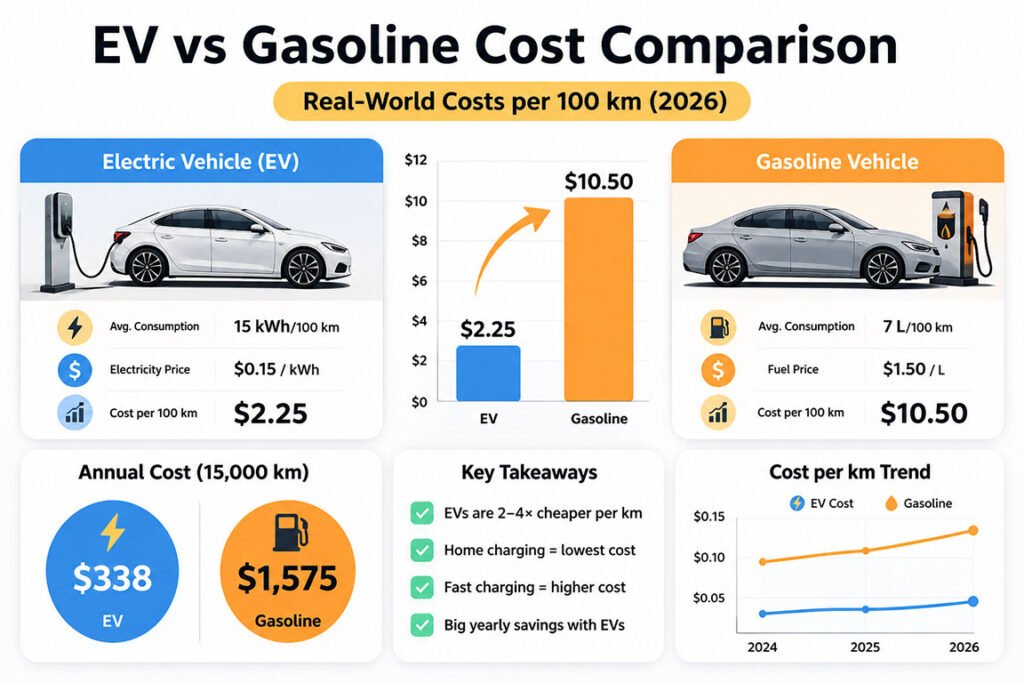
Over a year, the difference becomes significant.
A driver covering 15,000 km per year may spend:
- $300–600 on electricity
- $1,500+ on fuel
Electricity prices can vary significantly depending on region. You can explore real-time pricing trends from sources like Statista.
Factors That Affect Charging Cost
Charging cost depends on multiple factors:
- Electricity price
- Driving style
- Weather conditions
- Vehicle efficiency
According to data from the U.S. Department of Energy, temperature, driving conditions, and charging habits can significantly impact EV efficiency and overall charging cost.
Electricity prices also vary depending on time-of-use tariffs, which can affect your total cost.
Tips to Reduce EV Charging Costs
You can reduce costs with simple habits:
- Charge at night (lower rates)
- Use home charging when possible
- Avoid frequent fast charging
- Drive efficiently
Small changes can lead to noticeable savings.
Final Verdict: Is EV Charging Really Cheaper?
Yes.
In most real-world situations, EV charging is significantly cheaper than fueling a gasoline car.
If you rely on home charging, the savings become even more noticeable.
EVs are not just cleaner—they’re also more cost-efficient over time.